
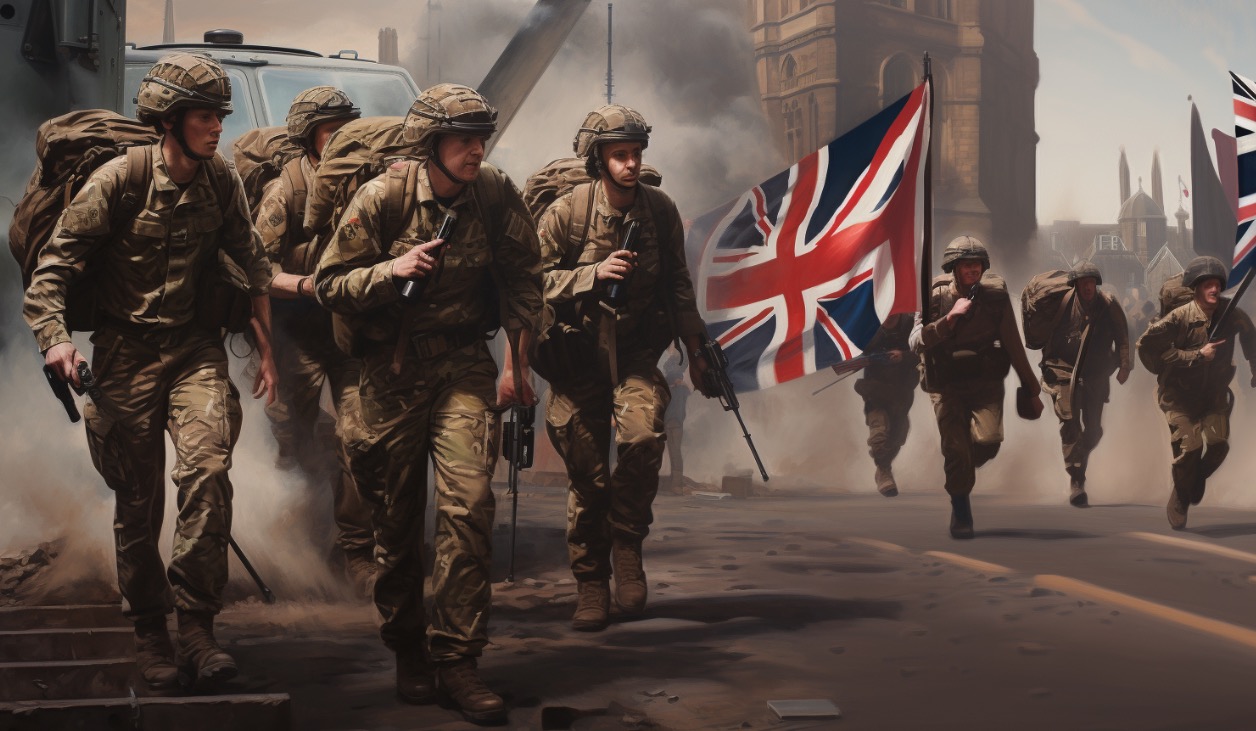
Preparing for Potential Conflict: Examining Military Readiness
Many Western nations are facing questions around military preparedness and even the potential need to resume conscription in response to shifting geopolitics. Recent statements by top defense officials have prompted debate regarding defense budgets, optimal force size, and reserve capacity.
Concerns Over Readiness for Large-Scale Conflict
- High-ranking military figures in the UK and Sweden have explicitly warned of inadequate troop numbers and logistical support needed to confront threats from major adversary states
- Comments reference assessments that current army sizes are well below historic norms, with limited ability to mobilize at scale
- There are estimates that losses in a high-intensity war could rapidly outpace existing personnel reserves
- Recruitment and retention issues are compounding understaffing problems
“The British army is facing the same dwindling military as the United States and the Army will fall to just 72,500 Soldiers by 2025 but they would need 120,000 to go to war with Russia”
- Officials argue significant capability expansion is essential to credible deterrence
Calls to Increase Defense Spending and Personnel
- Army leadership and defense analysts advocate major budget increases to fund larger standing armies
- Additionally, focus on reconstituting reserve pools via compulsory enrollment of military veterans
- In the UK, declaims to expand reserves and rebuild mass mobilization infrastructure
- Suggestions of necessity to contemplate reinitiating conscription if volunteer targets unmet
“General Patrick Sanders today called on the British authorities to mobilize the nation, stressing the need for a shift in the minds of the public to be mentally prepared for military conflict”*
- Appeal for societies to adopt “war footing” mentality to align with deteriorating security climate
Rationales for Enhanced Military Posture
What factors are driving this push within military circles to expand capacities?
- Deteriorating relations with Russia
- After effects of Ukraine conflict
- Increased tension over NATO expansion
- Belief quick Russian offensive into Eastern Europe plausible
- Perception of US disengagement from European defense
- Reduced confidence in pace and scale of American reinforcement
- Desire for greater self-sufficiency in national security
- Avoid over-reliance on vulnerable US committments
Counterarguments and Alternative Perspectives
There are also dissenting views on the necessity and wisdom of military growth.
- Possibility deterrence could be achieved through existing capabilities
- Investing in technologies rather than personnel could yield strategic advantages
- Economic burden and opportunity costs of defense spending increases
- Reactive escalation versus proactive de-escalation
“Yeah get mentally prepared so what exactly is he calling for..”
Some opposition highlights the risks of fueling tensions and arms races with excessively bellicose posturing.
- Does enhanced military stance actually increase security?
- Could spur counteractions degrading stability and trust
- Channels resources away from productive social spending
- Entrenching presumption of inexorable conflict
Citizen Support and Societal Buy-In
While military leadership is urging action, public sentiment remains more ambivalent on accepting costs.
- Mixed polling on tolerance for increased defense budgets
- Questions around willingness for personal sacrifice
- Potential conscripts
- Taxpayers
- Government transparency around specific threats and rationale for escalation will be key for consent
“I am skeptical that they didn’t have anybody on C camera that said no thank you to a draft”
There are also ethical considerations regarding how consent for draft registration or induction would be obtained.
Ultimately, sustaining military growth initiatives requires convincing skeptical citizenries of necessity and security justifications. Lack of faith in rationale risks opposition torpedoing viability.
“what will the American people do will they go along with this boond doggle will the Americans go along with the draft in the United States Scott Ritter is asking this very same question”*
… And So
While given geopolitical trends have prompted renewed attention on defense capacities from military officials, expanded postures will entail substantial costs and societal adjustments. Achieving public buy-in for elevated commitment remains an open question absent compelling evidence on threats and strategic frameworks – and one which could determine feasibility of proposals.