TitleThe Power and Perils of Misinformation: Andrew Tate’s Reckless AccusationsTitle
1️⃣ The False Accusation That Sparked Outrage
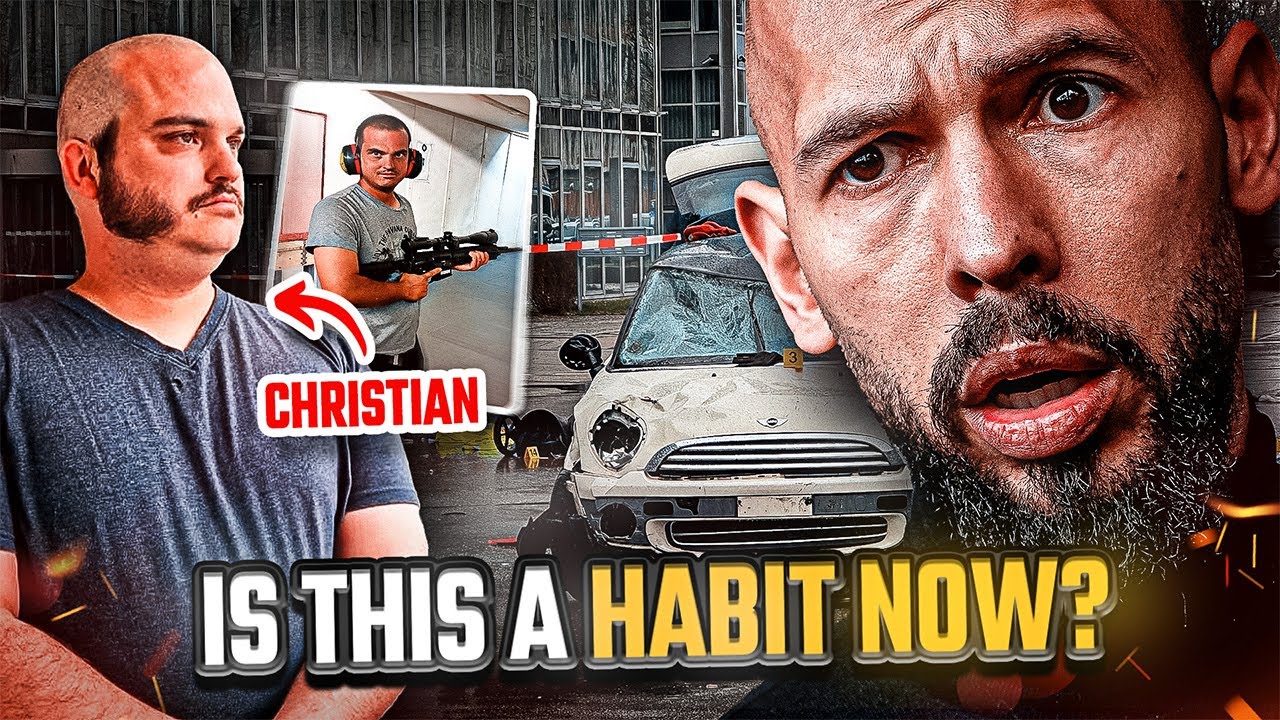
Point Made: Andrew Tate falsely claimed a Muslim committed a terror attack in Mannheim, Germany.
Principle: Misinformation spreads faster than the truth, reinforcing biases.
Inference: High-profile influencers shape public opinion irresponsibly.
2️⃣ The Truth: The Attacker Wasn’t Muslim
Point Made: The real perpetrator, Alexander Schman, is a Christian, contradicting Tate’s claim.
Principle: Assumptions without verification lead to false narratives.
Inference: The ease of misinformation fuels dangerous stereotypes.
3️⃣ The Unlikely Hero: A Muslim Saved the Day
Point Made: A Muslim named Afel Muhammad was the one who stopped the attacker.
Principle: Reality often contradicts media-fueled stereotypes.
Inference: The demonized group is sometimes the one ensuring safety.
4️⃣ Delayed Truth: Why Media Was Slow to Correct
Point Made: German media took nearly a week to correct the misinformation.
Principle: False claims spread quickly, but corrections take longer to gain traction.
Inference: Public perception is shaped more by first impressions than by eventual corrections.
5️⃣ The Pattern: Southport Riots and Previous False Accusations
Point Made: A similar case happened in Southport, where police knew the attacker wasn’t Muslim but the public believed otherwise.
Principle: Misinformation is often intentionally allowed to spread before being corrected.
Inference: There’s a systemic issue in how information is presented and controlled.
6️⃣ Tate’s Hypocrisy: Admitting His Own Mistakes Later
Point Made: On the same podcast, Tate later acknowledged that the Southport attacker was Christian.
Principle: Changing narratives without accountability allows continued misinformation.
Inference: Influencers can mislead millions without consequence.
7️⃣ Will There Be a Retraction? The Media’s Double Standard
Point Made: There’s speculation whether Tate or the PBD Podcast will issue a correction.
Principle: Influential figures rarely face accountability for spreading false claims.
Inference: Double standards in media favor sensationalism over factual integrity.
8️⃣ Why People Believe Lies Even After They’re Debunked
Point Made: Even after Tate’s claim was debunked, many people still believe the falsehood.
Principle: First impressions create long-lasting biases, even when corrected later.
Inference: False narratives, once established, are difficult to erase.
9️⃣ The Emotional Toll: Consequences of False Accusations
Point Made: False narratives fuel Islamophobia, leading to real-world violence and discrimination.
Principle: Misinformation has tangible consequences, harming innocent people.
Inference: Spreading false accusations isn’t just irresponsible—it’s dangerous.
🔟 How to Combat Misinformation in the Digital Age
Point Made: Fact-checking, verifying sources, and challenging narratives can prevent misinformation from spreading.
Principle: Critical thinking is necessary to counter false claims.
Inference: Social responsibility is on both media and individuals to prevent deception.