$100M Marketer Explains: How To Dominate Against AI Competition
TL;DR 🎯
Reading Time Saved: ~20 minutes 📖⏳
What You’ll Achieve: Learn the exact marketing strategy used by top companies to stand out in an AI-saturated world. Discover the “give away something for free” model that billion-dollar brands use to create massive customer pipelines.
🚀 AI is Changing the Game, But Are You Ready?
AI is no longer an emerging trend—it’s a mainstream force shaping how businesses operate. The problem? When everyone uses AI, marketing starts looking the same. So, how do you differentiate yourself in a market where AI-generated content is everywhere?
The answer lies in a simple yet powerful strategy: Give away something valuable for free, then sell a premium product or service.
🔥 The “Waldo Problem”: Why Standing Out is Harder Than Ever
📌 The Problem: If everyone is using AI to generate content, how do you ensure your content doesn’t blend in?
📌 The Reality: AI-generated content sounds too similar. If businesses rely only on AI for marketing, they end up with content that lacks originality and fails to build trust.
📌 The Solution: Offer real value beyond AI-generated content—something that is unique, human, and difficult to replicate.
⏩ Watch the Waldo Problem Explained
🏆 The Winning Strategy: Give Something Away for Free & Sell the Upsell
1️⃣ How Billion-Dollar Brands Use This Model
Big brands like HubSpot, Gillette, and Dropbox have mastered this strategy:
- HubSpot: Gave away Website Grader for free, then sold CRM software.
- Gillette: Gave away free razors, then sold razor blade refills.
- Dropbox: Gave away free cloud storage, then charged for premium upgrades.
⏩ Watch How HubSpot Uses Free Tools to Sell
2️⃣ How to Apply This Strategy to Your Business
📌 Step 1: Identify a Big Market 🔍
- Choose a niche with huge demand and long-term revenue potential.
- Example: Payroll software market → Upsell health insurance services.
📌 Step 2: Find Something People Already Pay For 💰
- Example: People pay for keyword research tools → Give a basic version away for free.
📌 Step 3: Build or Buy a Free Product 🛠️
- Build it: Use AI tools or no-code platforms like Bubble.
- Buy it: Acquire an existing product with brand recognition (e.g., Ubersuggest).
📌 Step 4: Keep Adding Features 🔄
- The last mover advantage: Improve the product by learning from competitors’ mistakes.
📌 Step 5: Monetize the Upsell 📈
- Offer a premium service or product that customers naturally upgrade to.
⏩ Watch the Full Step-by-Step Breakdown
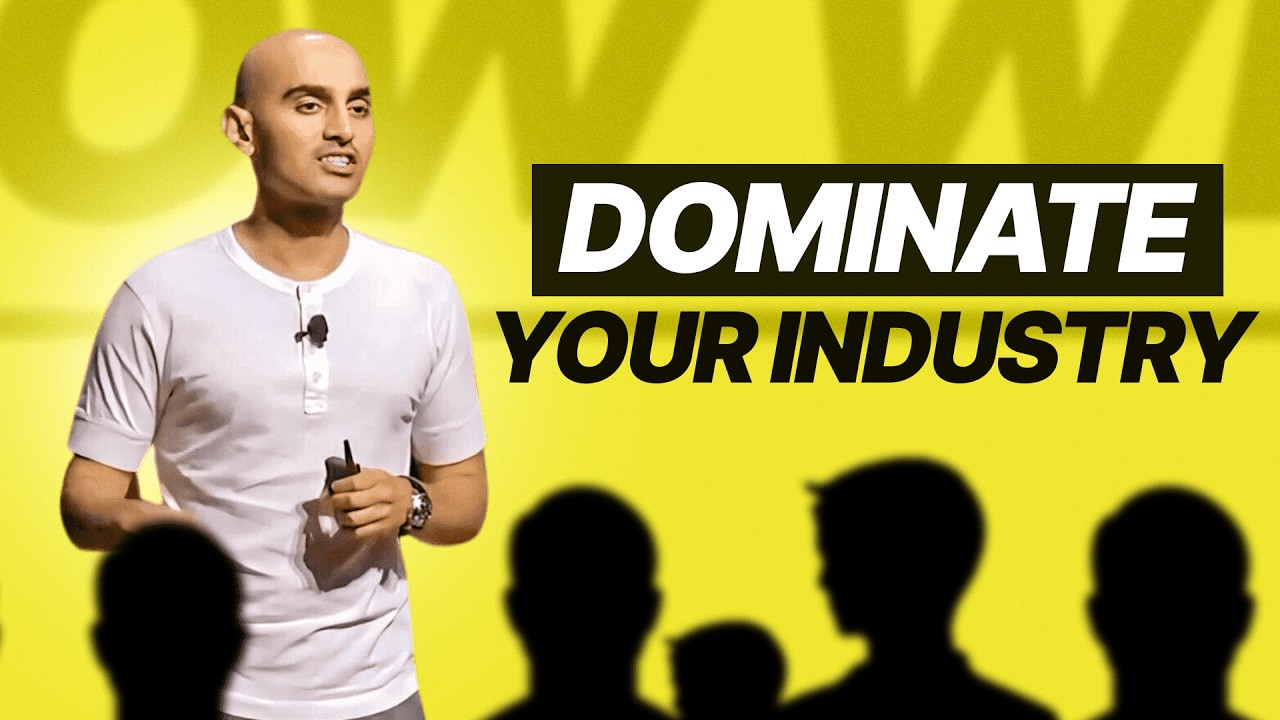
🚀 Real-World Case Study: How Neil Patel Scaled NP Digital to $100M+
Neil Patel’s marketing agency, NP Digital, used this exact playbook:
📌 What They Did:
- Bought Ubersuggest for $120K.
- Invested $3M-$5M to improve it.
- Gave most features away for free.
- Captured millions of leads.
- Upsold marketing services (the real money-maker).
📌 Results:
- NP Digital became a 9-figure agency.
- Generated 60K+ leads per month.
- Acquired AnswerThePublic for $8.6M to rinse & repeat the strategy.
⏩ Watch How NP Digital Grew with Free Tools
💡 Why This Works Better Than Paid Ads
Many businesses waste money on ads, but giving away free tools builds a self-sustaining lead engine.
📌 Why Free Tools Beat Paid Ads:
- Generates organic traffic instead of relying on expensive ads.
- Builds trust and credibility with users.
- Creates long-term brand recognition.
- Converts free users into high-paying customers.
📌 Example:
Instead of spending $1M per month on ads, NP Digital used free tools to attract leads at a fraction of the cost.
⏩ Watch Why Free Tools Are Better Than Paid Ads
🏁 Conclusion: How to Win in an AI-Driven Market
Most companies follow the crowd and use AI like everyone else. The winners think differently:
✅ Don’t rely on AI alone—create unique, high-value content.
✅ Use the free-to-premium model—offer something valuable upfront.
✅ Monetize strategically—sell high-ticket upsells that solve real problems.
✅ Leverage organic traffic—stop wasting money on ads.
🚀 Now it’s your turn: Will you blend in with AI-generated noise, or will you build a game-changing business?