
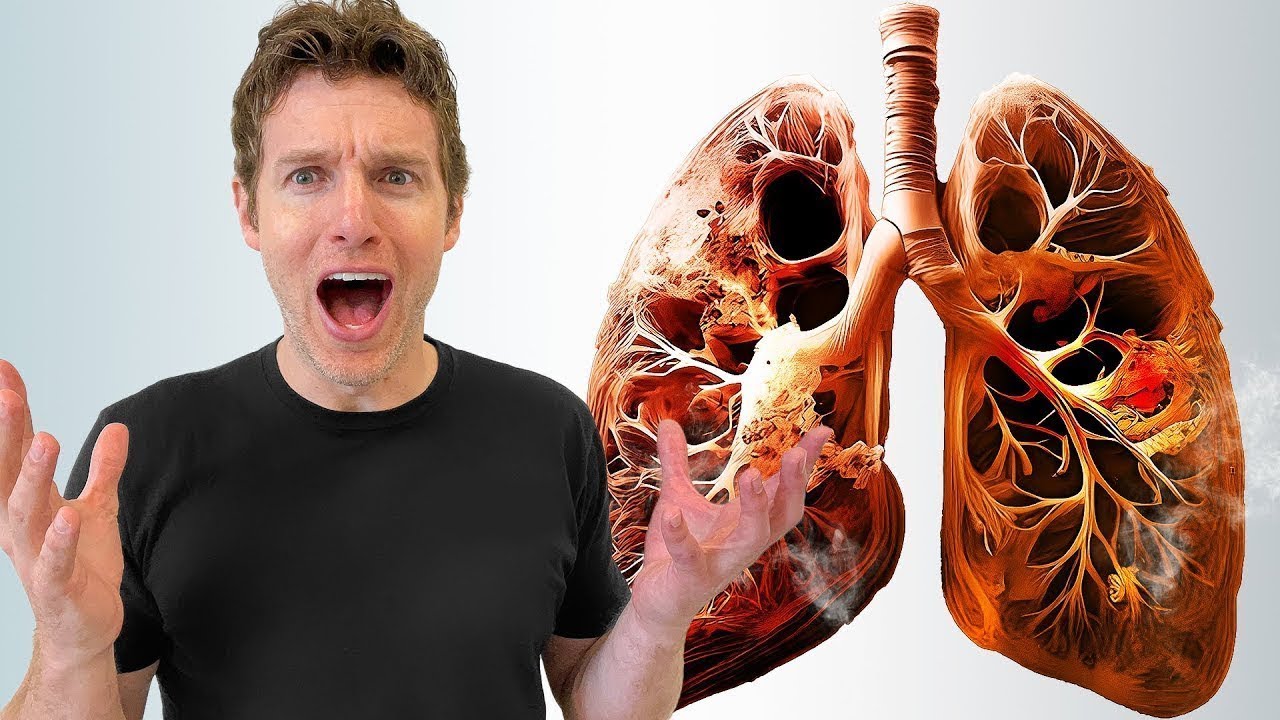
How Vaping Affects Your Body: Risks, Comparisons, and Health Insights
Understanding How Vapor Enters and Travels Through the Body
- Vapor enters through the nasal cavity or oral cavity, both leading to the pharynx (throat) (00:01:00)
- From the pharynx, vapor passes into the trachea, which remains open due to cartilaginous rings, ensuring airflow (00:01:30)
- The trachea branches into bronchi, then into smaller bronchioles, and finally reaches the alveolar sacs and alveoli, the critical sites for gas exchange (00:02:00)
- The alveoli and bronchioles are the most vulnerable lung areas affected by vaping (00:02:30)
What Is Vaping and What Does It Contain?
- Vaping involves heating a liquid in a cartridge to create vapor, which is inhaled (00:03:00)
- Common ingredients include nicotine, propylene glycol, glycerol, THC, CBD oils, vitamin E acetate, and over 7000 flavorings (00:04:00)
- Trace metals such as tin, nickel, chromium, manganese, and arsenic have also been detected in vaping liquids (00:04:30)
Health Risks and Lung Injuries Linked to Vaping (EVALI)
- A significant rise in e-cigarette or vaping product use-associated lung injury (EVALI) cases has been observed (00:05:00)
- Symptoms include fever, chills, cough, shortness of breath, chest pain, and sometimes coughing up blood (hemoptysis) (00:05:30)
- Up to 80% of EVALI patients also experience gastrointestinal symptoms like nausea, vomiting, diarrhea, and abdominal pain (00:06:00)
- Diagnosis is challenging due to the lack of infectious causes and the unregulated nature of vaping products (00:06:30)
The Role of Vitamin E Acetate and THC in Lung Damage
- Vitamin E acetate has been strongly linked to EVALI cases and is found in the majority of patients’ lung fluid samples (00:07:00)
- While safe on skin or when ingested, inhaling vitamin E acetate causes an inflammatory response in lung tissue(00:07:30)
- The CDC recommends avoiding vaping products containing vitamin E acetate and THC unless obtained legally and medically (00:08:00)
Treatment Outcomes and Mortality Rates for EVALI
- As of early 2020, 2,807 hospitalizations and 68 deaths (about 2.4% mortality) were reported due to EVALI (00:08:30)
- Most patients recover with supportive care, including supplemental oxygen and anti-inflammatory steroids(00:09:00)
- Recovery typically occurs within two weeks, but long-term effects remain unknown (00:09:30)
Comparing Vaping to Traditional Cigarette Smoking
- The medical consensus is that smoking cigarettes is more harmful than vaping (00:10:00)
- However, long-term data on vaping is limited due to its recent emergence (00:10:30)
- Clinicians recommend quitting smoking entirely rather than switching to vaping, but if vaping is used, it should not be combined with smoking to reduce lung damage risk (00:11:00)
Vaping and Youth: Gateway Concerns and Recommendations
- Vaping is increasing among young people, especially teens and early 20s, raising concerns about it being a gateway to cigarette smoking (00:11:30)
- Young non-smokers are advised to avoid vaping entirely, especially products containing vitamin E acetate and THC (00:12:00)
- The best health outcome is to avoid inhaling any foreign substances into the lungs (00:12:30)
Key Takeaways for Safer Vaping Practices
- If vaping is chosen, avoid products with vitamin E acetate and obtain THC only through legal, medical channels(00:13:00)
- Awareness of the unregulated nature of many vaping products is crucial to minimize risks (00:13:30)
- Prioritize lung health by understanding the potential harms and making informed choices (00:14:00)
This structured overview provides a comprehensive, easy-to-read guide on vaping’s effects on the body, health risks, and comparisons to smoking, optimized for user intent and monetization potential.