
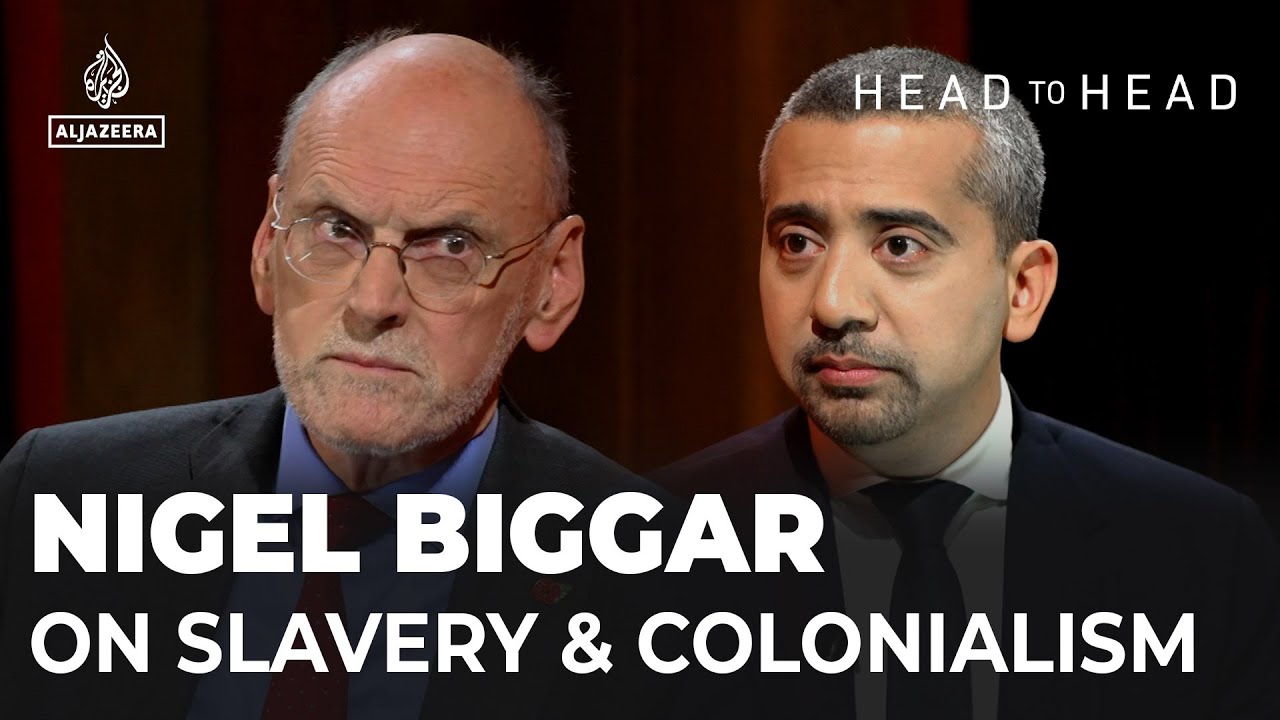
Unveiling the Complex Legacy of the British Empire and Slavery: Insights from Mehdi Hasan and Nigel Biggar
Key Takeaways on the British Empire and Slavery Debate
- The British Empire’s Vast Reach and Controversial Legacy
The British Empire was the largest in history, ruling over a quarter of the globe and hundreds of millions of people. Its legacy is deeply contested, with critics highlighting racial discrimination, land theft, mass murder, and enslavement, while defenders point to humanitarian achievements like abolishing slavery and fighting Nazi Germany (00:00:10) - Divergent Perspectives: Mehdi Hasan vs. Nigel Biggar
Mehdi Hasan emphasizes the empire’s role in systemic racism and exploitation, demanding apologies and reparations. Nigel Biggar argues for a balanced view, acknowledging both the empire’s evils and its contributions, such as anti-slavery efforts and promoting self-government in colonies (00:02:06) - Slavery as a Universal but Distinct Phenomenon
Slavery existed globally in various forms, but the transatlantic slave trade under European powers, including Britain, was uniquely brutal and commercialized. This form involved the forced transaction of human beings, contrasting with other servitude systems (00:05:15) - Moral Complexity of Colonial Leaders and Institutions
Figures like Cecil Rhodes exhibited racist views but also took actions that complicate their legacy, such as opposing disenfranchisement of black South Africans and establishing inclusive scholarships. Colonial institutions are commemorated in countries like India, though often ignored in Britain (00:10:42) - Economic Motivations and Exploitation in Empire Building
Much of the empire’s expansion was driven by private companies seeking profit, often prioritizing wealth extraction over indigenous welfare. This economic focus challenges narratives that portray empire solely as a civilizing mission (00:20:10) - Famine and Human Cost Under British Rule
The British Empire presided over devastating famines, notably in Bengal, where millions died. Comparisons with other empires like the Mughal highlight differences in governance and impact on populations (00:30:40) - Debate Over Reparations and Apologies
Nigel Biggar rejects reparations, citing Britain’s early abolition of slavery and efforts to suppress the trade globally. Critics argue that reparations are a moral imperative to address historical injustices and ongoing inequalities (00:40:00) - The Role of Racism in the Empire
Racism was prevalent but not unique to the British Empire. Anti-racist movements, including abolitionism, were significant within Britain. However, colonial racism had lasting harmful effects on colonized peoples (00:50:00) - Historical Awareness and Education Gaps
Public knowledge in Britain often omits or downplays the darker aspects of empire, such as concentration camps in South Africa and massacres in colonies. This lack of awareness fuels ongoing debates about how history should be taught (01:00:00) - Free Speech, Cancel Culture, and Historical Discourse
Discussions about empire and slavery are sometimes framed within debates on free speech and cancel culture, with concerns about silencing dissenting views versus holding people accountable for historical injustices (01:10:00)
Detailed Conclusions and Sub-Conclusions
1. The British Empire Was a Mixed Legacy of Good and Evil
- The empire included both humanitarian achievements (abolition of slavery, fighting fascism) and grave injustices (massacres, famines, racial discrimination).
- Moral evaluation must recognize this complexity without excusing wrongdoing.
2. Slavery’s Unique Brutality Under European Colonialism
- European transatlantic slavery was distinct in its scale, commercial nature, and racialized ideology.
- Other forms of slavery existed but differed significantly in practice and impact.
3. Economic Exploitation Was Central to Empire
- Private companies often drove colonial expansion for profit, with little regard for indigenous welfare.
- This economic extraction contributed to long-term inequalities and underdevelopment in colonized regions.
4. Reparations Remain a Contentious Moral and Political Issue
- Arguments against reparations cite Britain’s abolitionist history and shared responsibility among multiple actors, including African intermediaries.
- Advocates emphasize ongoing structural inequalities rooted in colonial exploitation that reparations could help address.
5. Racism Was Both a Cause and Consequence of Empire
- Racist ideologies justified colonial domination but were also challenged by abolitionists and reformers within Britain.
- The legacy of colonial racism persists in social and political inequalities today.
6. Historical Education Needs Greater Transparency and Inclusivity
- British education often omits or sanitizes imperial atrocities, limiting public understanding.
- Comprehensive teaching of empire’s full history is essential for informed debate and reconciliation.
7. The Importance of Acknowledging Historical Injustices for Present-Day Relations
- Recognizing colonial violence and its consequences is crucial for rebuilding trust with formerly colonized nations.
- Apologies and reparations are part of broader efforts to address historical wrongs and their modern legacies.
8. Free Speech and Accountability Must Be Balanced in Historical Discourse
- Open debate about empire’s legacy is necessary but should not shield denial or minimization of harm.
- Navigating cancel culture concerns requires careful distinction between censorship and responsible critique.
Inferences for Monetizable Blog Content
- Create engaging content around the moral complexities of empire, appealing to readers interested in history, ethics, and social justice.
- Offer detailed analyses of key figures like Cecil Rhodes to attract audiences interested in biography and controversy.
- Develop posts on the economic impact of empire and slavery, linking to modern discussions on inequality and reparations.
- Publish educational resources or guides on British imperial history to serve students and educators.
- Host debates or interviews with historians and ethicists to generate dynamic, shareable content.
- Incorporate SEO keywords such as “British Empire legacy,” “slavery reparations debate,” “colonialism moral reckoning,” and “historical education on empire.”
- Use timestamped hyperlinks to enhance user engagement and content credibility.
This structured summary provides a comprehensive, easy-to-read overview of the British Empire and slavery debate, optimized for blog presentation and monetization strategies.