The Intricacies of International Law and Human Rights: A Comprehensive Analysis
“Law is not the mere shelter of rules, but a system in place to ensure justice prevails,” a sentiment that echoes the complexities and the necessity of international law in today’s global landscape.
International law, often perceived as a web of complexities and ambiguities, plays a crucial role in maintaining global order and protecting human rights. The intersection of law, politics, and the enforcement of human rights presents a dynamic and challenging environment for legal practitioners and scholars. This blog aims to unravel these complexities, offering an insightful perspective into the workings of international law, its application in conflict zones, and the challenges faced in upholding human rights universally.
Understanding the Foundations of International Law
The Genesis and Evolution of International Law
- Born from the ashes of World War II, international law aimed to prevent such atrocities from recurring.
- The formation of the United Nations and the drafting of various treaties and conventions laid the groundwork for today’s international legal system.
Key Principles Governing International Law
- Sovereignty of nations and non-interference in internal affairs.
- Protection of human rights and prohibition of war crimes and genocides.
- The principle of self-determination and the prohibition of aggression.
The Role of International Institutions in Upholding Law
- The United Nations, International Criminal Court (ICC), and various human rights bodies are at the forefront of this endeavor.
- These institutions operate based on treaties and agreements between sovereign states.
- Their effectiveness often hinges on the political will of member states and their commitment to upholding these laws.
The Challenge of Enforcement and Political Will
- International law’s biggest challenge lies in its enforcement.
- The political interests of powerful nations often influence the application and interpretation of international law.
- The ICC and other bodies face limitations due to non-cooperation or opposition from influential countries.
Case Studies: Conflicts and International Law
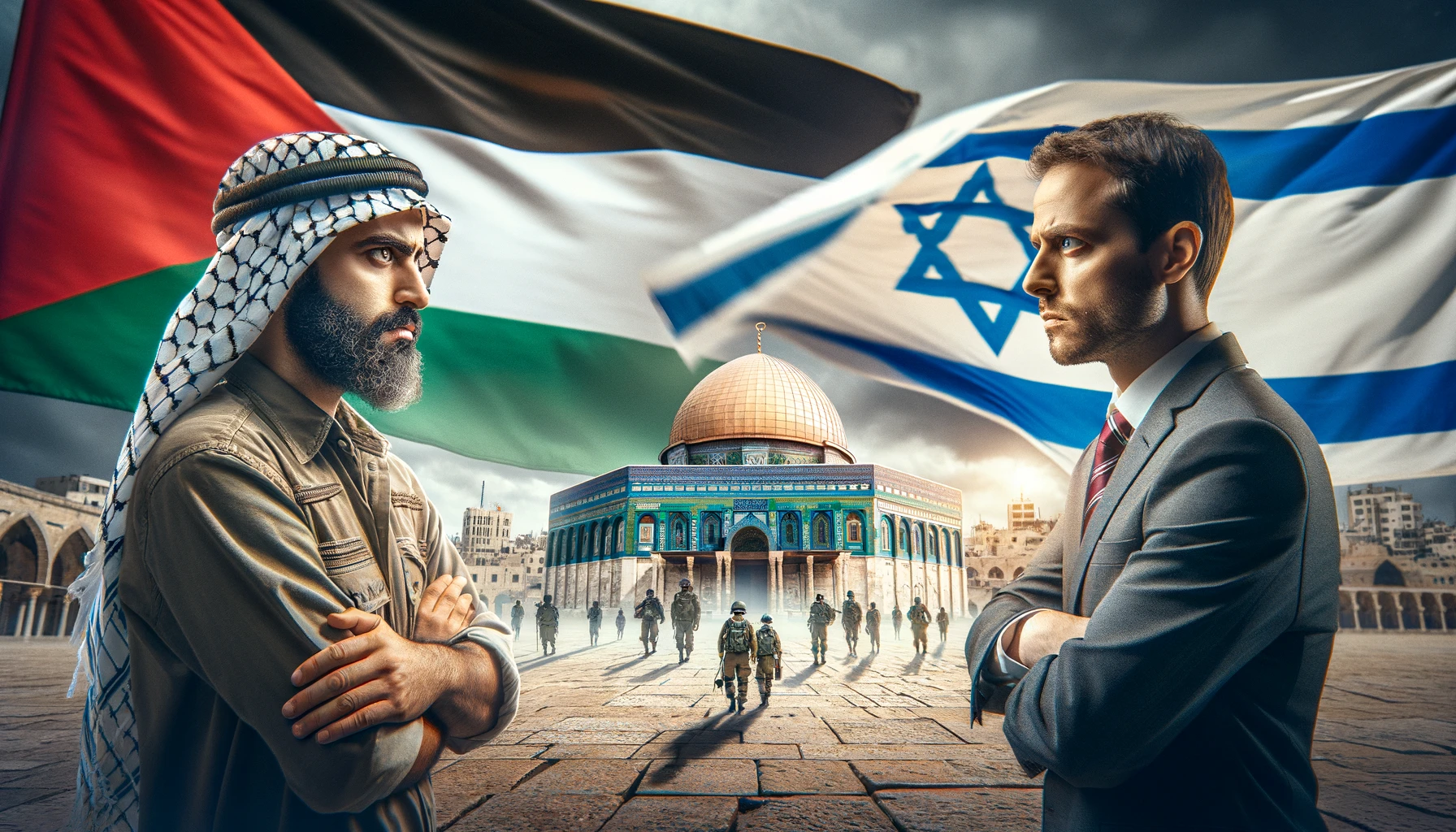
The Israeli-Palestinian Conflict
- Allegations of human rights violations and war crimes highlight the complexity of enforcing international law in conflict zones.
- The role of international bodies and the challenges they face in holding aggressors accountable.
- The debate around the definition and prosecution of war crimes and genocides under international law.
The Impact of Dual Standards and Political Interests
- The perception of bias and double standards in the application of international law.
- The influence of global powers in shielding allies from legal repercussions.
- The dilemma faced by international institutions in balancing justice with political realities.
The Future of International Law: A Path to Reform
- Recognizing the need for a more robust and impartial international legal system.
- Proposals for reforming the United Nations and the ICC to ensure fair and effective enforcement.
- The role of emerging powers in shaping a more balanced international legal order.
… And So … The Imperative for an Effective International Legal System
As we navigate the complexities of international law and its implications on global politics and human rights, it’s evident that the system, though flawed, remains an essential pillar in maintaining world order and justice. The challenges it faces only underscore the need for continuous reform and the unwavering commitment of the international community to uphold the principles of justice and human rights.
“Justice, even delayed, must not be denied. The pursuit of a fair and equitable international legal system remains a paramount goal in our quest for global peace and human dignity.”