The Geopolitical Landscape of the Middle East: Navigating Through a Maze of Conflicts and Power Plays
“The actions that were being taken by Israel could plausibly be called genocide.” – Judge Andrew Napolitano
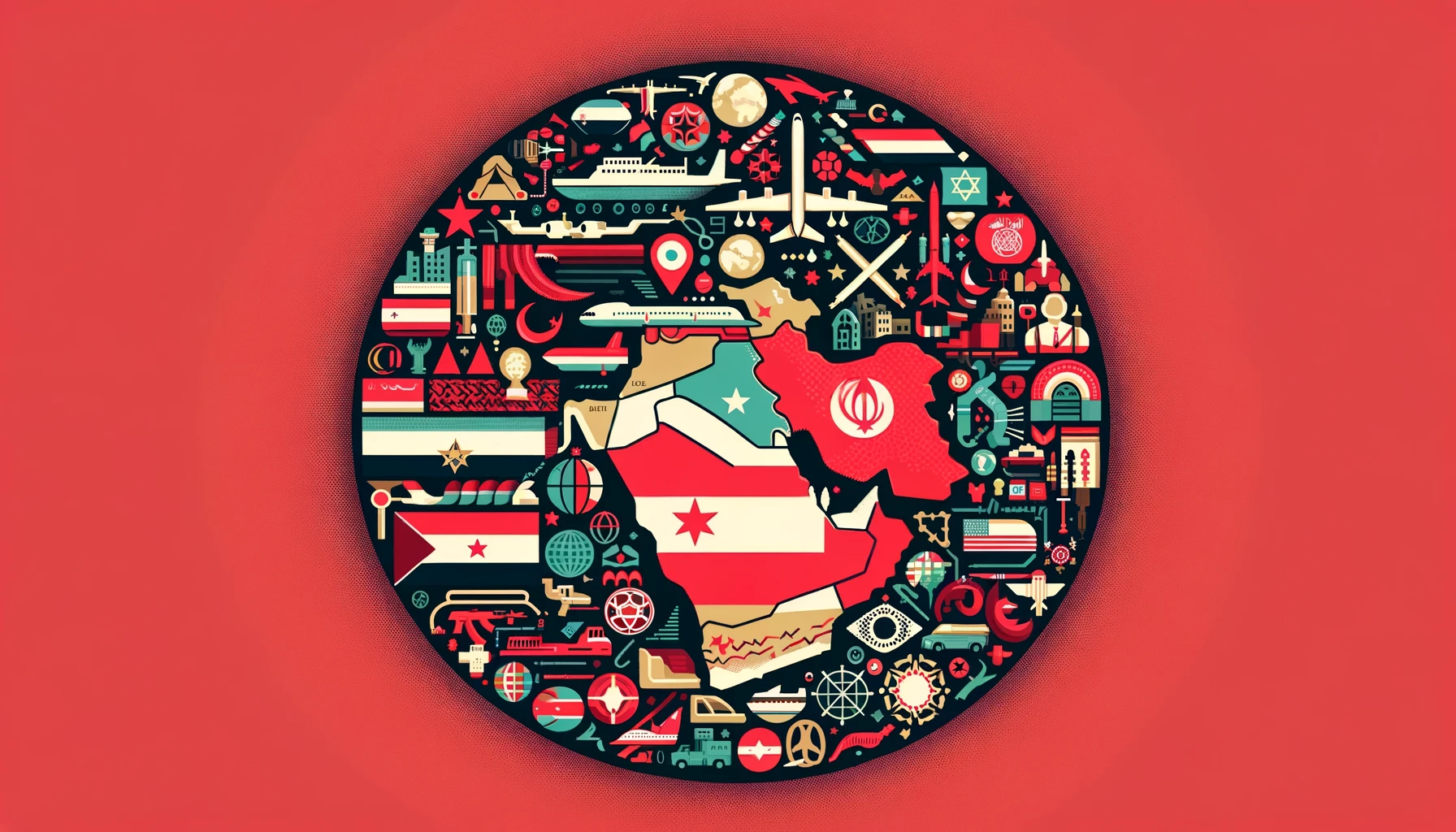
The geopolitical landscape of the Middle East is a complex tapestry woven with conflicts, shifting alliances, and the ever-present struggle for power. In this exploration, we delve deep into the heart of these issues, analyzing key events, players, and underlying motives that shape the region’s current state and future trajectory.
Understanding the Intricacies of Middle Eastern Politics
The Role of Israel and Its Neighbors
- Israel’s Position: Israel remains a central figure in Middle Eastern politics, often seen as a powerful yet controversial player. Its actions and policies, particularly towards Palestine, have been a topic of intense debate and scrutiny.
- The Perception of Israel’s Power: The notion of Israel as an indomitable force in the region is evolving. Internal and external factors contribute to a changing perception of its strength and stability.
The Influence of Global Powers
- U.S. Involvement: The United States has long played a pivotal role in Middle Eastern politics, often supporting Israel. However, this support has its complexities and is subject to the shifting tides of international relations and domestic politics.
- Other Global Players: Countries like Russia and China also have vested interests in the region, and their actions and policies significantly influence the dynamics at play.
The Economic Underpinnings: Debt and Gold
- Skyrocketing National Debt: The U.S. national debt has reached staggering heights, surpassing $34 trillion. This immense debt has far-reaching implications for the global economy.
- The Surge in Gold Prices: Historical data shows a correlation between rising national debt and the value of gold. With gold prices expected to continue rising, this poses significant questions for global financial stability.
Legal and Moral Questions in International Affairs
- ICJ’s Ruling on Israel: The International Court of Justice (ICJ) has brought forth serious allegations against Israel, including plausible genocide claims. This ruling has significant implications for Israel’s global standing and its relations with other countries.
- Impact on Global Moral Standards: The ICJ’s decision challenges the perceived moral high ground of Western nations, particularly in their foreign policy decisions.
Media’s Role in Shaping Perceptions
- Mainstream Media and Bias: The coverage of Middle Eastern issues by mainstream media often reflects biases and tends to downplay certain aspects. This selective reporting influences public perception and policy-making.
- The Silence on Crucial Issues: Major media outlets have been criticized for their lack of coverage on significant events like the ICJ ruling, raising questions about their role and responsibility in informing the public.
The Future of Middle Eastern Geopolitics
- Shifting Power Dynamics: Israel’s perceived invulnerability is being questioned both internally and externally, leading to a sense of increased vulnerability and existential threat.
- The Potential for Wider Conflict: There is growing concern about the potential for escalated conflict in the region, involving major global powers and possibly leading to significant shifts in the geopolitical landscape.
“The moral rectitude of the West, Israel, and the bigger West behind it has suddenly been put into question by an international jurist.” – Judge Andrew Napolitano
Navigating the intricate and often volatile landscape of Middle Eastern politics requires a deep understanding of the historical, cultural, and geopolitical factors at play. As we witness the unfolding events and shifting power dynamics, it is crucial to remain informed and critically engaged with these complex issues. The future of the region, and indeed the world, may very well hinge on the outcomes of these conflicts and the decisions made by key players on the global stage.