🔥 Desire Between Shadow & Submission: How Suppressed Lust Warps the Soul and What Islam Actually Says About It
1A. Whispers of Fire: When Desire First Knocks
📝 The Point:
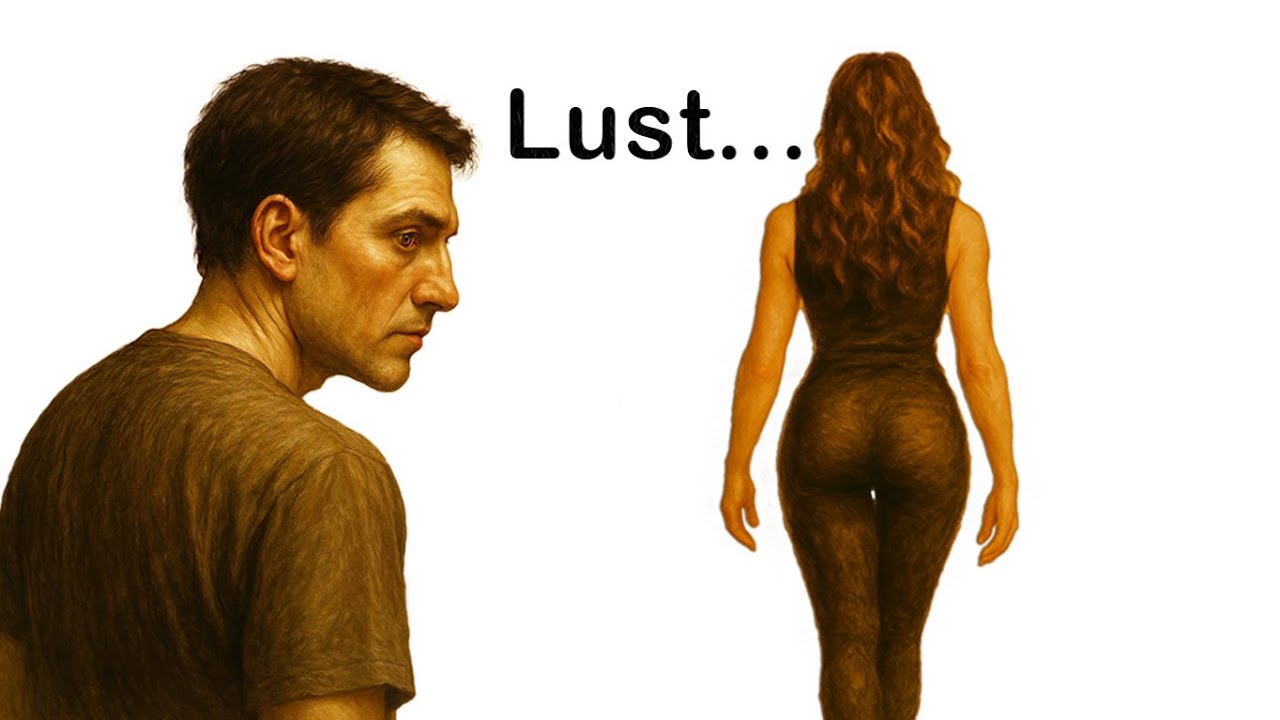
Desire begins subtly—a gaze, a dream, a fantasy—but it awakens parts of us that even we don’t admit to ourselves. This initial whisper often conflicts with the moral and social codes we’ve been raised with, leading us to push it into a dark, quiet place within. The contradiction arises when we fear it and crave it, leaving us torn between wanting to explore and needing to suppress. ⚖️ The Law: Islam acknowledges human desire as natural: “And He placed between you affection and mercy” (Qur’an 30:21). But desire must be managed within boundaries (Hudood), not ignored or indulged recklessly. According to Imam Al-Ghazali, ignoring desire completely leads to inner torment, while indulging it leads to spiritual ruin. 🔮 And So: Desire is neither inherently sinful nor saintly; it is a test of inner governance. The first whisper is an opportunity—not a trap—if met with self-awareness and shariah-guided choices. Suppression without understanding only pushes desire into shadow, where it festers unseen. Provocative Question: Are we listening to desire as a teacher—or are we burying it as a threat we refuse to understand?
1B. The Inner Courtroom: Freud’s ID vs Islamic Nafs
📝 The Point:
Freud’s model shows internal conflict: the id wants, the ego negotiates, the superego polices. Islam presents a similar structure with the nafs (lower self), qalb (heart), and ruh (soul). The contradiction lies in viewing these as fixed identities versus dynamic spiritual states (maqamat). ⚖️ The Law: The Prophet (PBUH) described the nafs as something to struggle against (jihad al-nafs). Qur’an 12:53: “Indeed, the soul is ever inclined to evil, except those upon whom my Lord has mercy.” Imam Ibn Qayyim classified the nafs into three types: commanding evil, self-reproaching, and tranquil. 🔮 And So: Suppressed lust isn’t gone—it mutates into resentment, anxiety, or hidden obsession. Knowing your inner battle is not psychology—it’s taqwa (God-consciousness). Reconciliation comes when we see our soul as a battlefield—not a courtroom. Provocative Question: If your nafs spoke out loud today, would you be proud of what it said?
1C. Sublimation or Submission: Where Do You Channel Your Fire?
📝 The Point:
Freud calls for sublimation—channeling desire into creativity or productivity. Islam agrees—but only if the channel is halal (permissible) and not a disguise for indulgence. The contradiction: are we healing through art—or hiding behind it? ⚖️ The Law: The Prophet said: “The strong one is not the one who overcomes others by strength, but the one who controls himself while in anger.” (Bukhari & Muslim) Creativity can be an act of ibadah (worship) if intention is sincere. Imam Shafi’i wrote poetry as a form of intellectual purification—not self-expression alone. 🔮 And So: Redirecting desire can sanctify your energy. But if done without spiritual awareness, it can mask the real issue. The fire burns cleaner when it has a sacred purpose. Provocative Question: Is your outlet a true expression of inner discipline—or just a creative disguise for indulgence?
1D. The Shadow Self: Where Lust Hides When You Ignore It
📝 The Point:
Jung’s “shadow” is the part of ourselves we deny—often where desire hides. Islam teaches that shaytaan (satan) thrives in the hidden corners of unspoken urges. The contradiction: we suppress to be pious, yet that very suppression invites chaos. ⚖️ The Law: Qur’an 50:16: “We are closer to him than [his] jugular vein.” Secrets of the self are not hidden from Allah—only from us. Imam Malik warned that suppressing fitna (trial) without purification creates spiritual disease. 🔮 And So: Hiding desire does not equal mastering it. True piety (taqwa) means confronting darkness with divine light—not pretending it doesn’t exist. Desire buried alive resurrects as rage, envy, or addiction. Provocative Question: Are you protecting your soul—or arming your shadow?
1E. The Gender Within: The Battle of Anima and Animus
📝 The Point:
Jung says each of us carries the opposite gender internally, shaping how we feel and express desire. Islam has no exact equivalent, but emphasizes gender roles in balance—not fusion. The contradiction: inner harmony vs outer boundaries. ⚖️ The Law: Qur’an 49:13: “We created you in pairs so that you may know one another.” Imam Al-Ghazali said a man must master both tenderness and firmness. Modesty (haya) is a shared virtue—not gender-exclusive. 🔮 And So: Understanding both energies enhances emotional intelligence. But losing gender identity in the name of wholeness leads to confusion. Spiritual masculinity and femininity must be rooted in fitrah (natural disposition). Provocative Question: Are you seeking harmony—or erasing the very distinction that brings it?
1F. Myth and Cinema: Lust’s Story Through Symbols
📝 The Point:
Mythology and modern films portray desire as a force of chaos or transformation. Islam critiques but also uses stories—like Yusuf (AS)—as moral templates of sexual resilience. The contradiction: art glorifies what revelation warns against. ⚖️ The Law: Qur’an 12:23-25 narrates Yusuf’s resistance to seduction as an act of prophetic nobility. Poetry and story can reflect truth—but mustn’t normalize vice. Imam Rumi’s metaphors elevate passion into divine yearning. 🔮 And So: What you consume visually becomes part of your moral DNA. Symbolism without guidance becomes a silent educator of vice. Artistic experience must align with spiritual values to uplift the soul. Provocative Question: Are your stories shaping you—or sedating your conscience?
1G. Family Shame: The Inherited Silence About Lust
📝 The Point:
Families that brand sexuality as “dirty” create deep shame, even in adulthood. Islam upholds modesty (haya) but never equates desire itself with filth. The contradiction: religious silence can distort what God designed as natural. ⚖️ The Law: Prophet Muhammad (PBUH) taught that modesty is part of faith—but also said, “There is no shyness in matters of religion.” (Abu Dawood) Imam Ahmad stressed clarity in sexual matters for healthy family life. Parents are murabbis (spiritual nurturers), not just enforcers. 🔮 And So: Children learn about desire not just from words—but tone, silence, and shame. Cultural taboos passed as religion create inner wars and cold relationships. The soul freezes where it’s not allowed to feel. Provocative Question: Are we confusing haya with fear, or have we forgotten how to teach love without shame?
1H. Repression: When Denial Becomes Disease
📝 The Point:
Long-term suppression of desire erupts as anxiety, depression, or rage. Islam warns against hiding truth from the self: “Do not be like those who forgot Allah, so He made them forget themselves.” (Qur’an 59:19) The contradiction: denying emotion to stay “good” leads to emotional corruption. ⚖️ The Law: The heart (qalb) is meant to be soft, not locked. Imam Ibn Ata’illah said: “Nothing is more damaging than your own denial.” Health of the soul is rooted in acknowledgment, not avoidance. 🔮 And So: Your emotional knots are spiritual smoke signals. Denied feelings don’t disappear—they mutate. The heart can only carry what the soul is willing to see. Provocative Question: Are your wounds a sign of sin—or the symptom of years of self-neglect?
1I. Therapy, Journaling, & Inner Dialogue: Islam’s Lost Tools
📝 The Point:
Writing down thoughts and seeking therapy are vital in healing desire. Islam encourages reflection (muhasabah) and consultation (shura). The contradiction: many Muslims view therapy as “Western” while it echoes prophetic practice. ⚖️ The Law: “Verily, in the remembrance of Allah do hearts find rest” (Qur’an 13:28)—but remembrance begins with self-awareness. Imam Al-Mawardi advised rulers and believers to keep journals of the soul. The Prophet (PBUH) accepted emotional advice from his wives and companions. 🔮 And So: Emotional health is a communal, not individual, responsibility. Self-expression is not selfish—it’s sacred. Denial kills what honest reflection can heal. Provocative Question: Are we more afraid of what we’ll find in our hearts—or that we might finally see the truth?
1J. The Destructive Face of Uncontrolled Lust in Relationships
📝 The Point:
Unconscious desire can devastate marriages, families, and careers. Islam values nikah (marriage) as the fortress of chastity—but warns of betrayal’s ripple effect. The contradiction: people believe desire vanishes in marriage, yet it must still be managed. ⚖️ The Law: “And do not approach zina (fornication). Indeed, it is an abomination.” (Qur’an 17:32) Prophet (PBUH): “The best among you are those best to their families.” Imam Malik emphasized niyyah (intention) and amanah (trust) in all relationships. 🔮 And So: Ignored desires don’t disappear—they detour. Passion without discipline breeds regret. Family trust is a divine trust—breaking it fractures the soul. Provocative Question: Is the risk of a moment worth the destruction of a lifetime’s trust?
1K. The Heroine’s Journey: Marlin and the Path to Wholeness
📝 The Point:
Marlin’s fictional story is our reality: from family shame to emotional coldness to eventual healing through art and reflection. Islam honors every person’s journey back to Allah, no matter how far they’ve wandered. The contradiction: we label sinners but forget that tawbah (repentance) rewrites every story. ⚖️ The Law: “Say, ‘O My servants who have transgressed against themselves, do not despair of Allah’s mercy.’” (Qur’an 39:53) Prophet (PBUH): “Every son of Adam sins, and the best of sinners are those who repent.” Imam Ghazali: true healing begins when the heart is honest with itself and Allah. 🔮 And So: Marlin’s journey is the blueprint for spiritual growth. Reflection, expression, and surrender create renewal. There is no shame in having fallen—only in refusing to rise. Provocative Question: If you knew your shame could become your strength, would you still run from your story?
📘 Glossary of Terms
Nafs: The ego/self, especially the lower self that inclines toward desires. Haya: Modesty or shyness, a core Islamic virtue. Hudood: The limits or boundaries set by Allah. Fitrah: The natural, pure disposition on which humans are created. Taqwa: Consciousness of God, often translated as “God-fearing.” Jihad al-nafs: The struggle against one’s lower desires. Nikah: Islamic marriage. Zina: Illicit sexual relations outside marriage. Muhasabah: Self-accountability or introspection. Tawbah: Repentance, the act of turning back to God.