
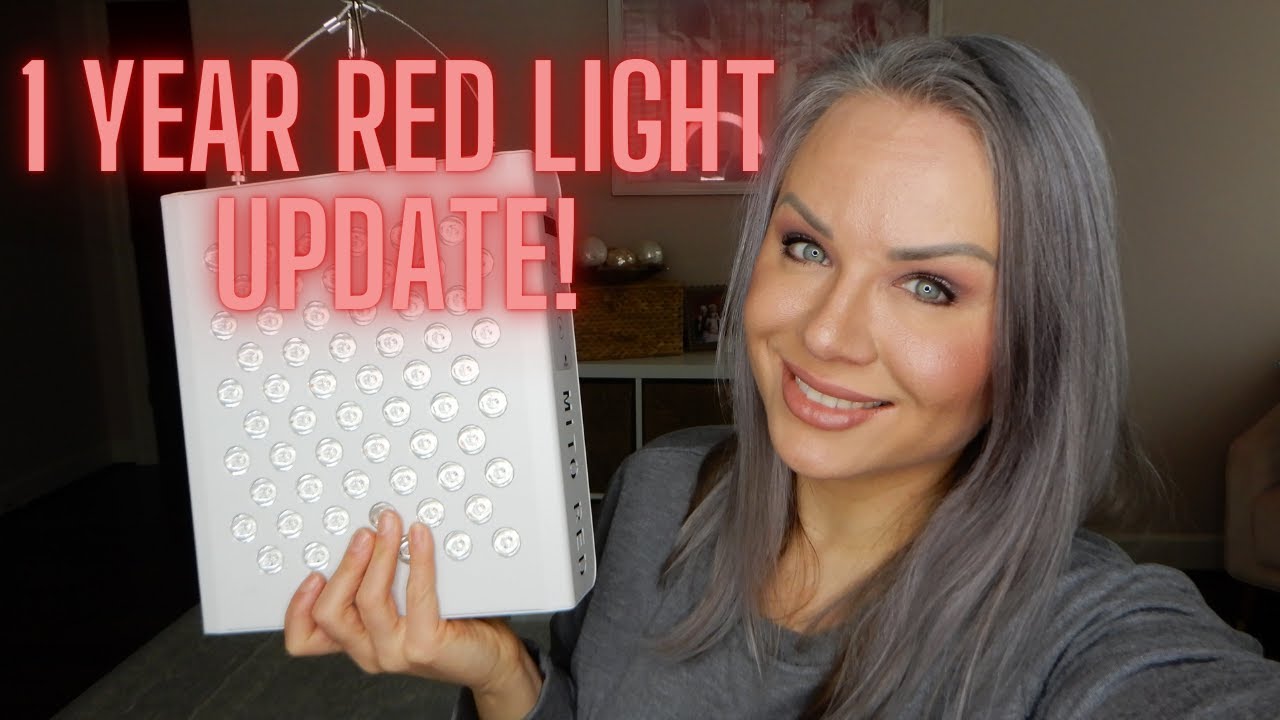
🔴 1 Year of Red Light Therapy: Was It Worth It?
📌 Key Moments with Hyperlinks
• Introduction to Red Light Therapy – 00:31
• How Red Light Works on the Body – 01:32
• Effects on Skin and Aging – 03:19
• Does Red Light Help with Pain Relief? – 06:33
• Improving Sleep with Red Light Therapy – 08:56
• Impact on Hormones & Energy Levels – 12:45
• Muscle Recovery & Performance Enhancement – 14:28
• Comparing Red Light Therapy to Other Light Therapies – 18:32
• Common Mistakes When Using Red Light Therapy – 22:15
🔥 11 Science-Backed Takeaways from 1 Year of Red Light Therapy
1️⃣ Red Light Therapy: More Than Just a Trend
🔍 Key Point: Red light therapy is not just a fad—it has scientific backing for skin health, inflammation reduction, and overall well-being.
🧩 Principle: Red light (600–700nm) penetrates deep into body tissues, stimulating mitochondria to produce more ATP, which fuels cell repair.
💡 Inference: Consistent use of red light therapy can improve skin, energy levels, and pain management.
2️⃣ How Red Light Affects the Body on a Cellular Level
🔍 Key Point: Red light stimulates collagen production, enhances blood circulation, and reduces inflammation.
🧩 Principle: Light energy enhances mitochondrial function, boosting ATP production, which improves overall cellular activity.
💡 Inference: This explains why red light improves skin, reduces pain, and speeds up muscle recovery.
3️⃣ Can Red Light Therapy Slow Down Aging?
🔍 Key Point: After a year of use, there was noticeable improvement in skin elasticity, fewer wrinkles, and a healthier complexion.
🧩 Principle: Red light therapy boosts collagen and elastin production, which prevents sagging and fine lines.
💡 Inference: It may serve as an alternative or complement to traditional anti-aging treatments.
4️⃣ Does Red Light Therapy Really Help with Pain Relief?
🔍 Key Point: One of the biggest benefits was reduced muscle and joint pain, especially for those with arthritis or chronic pain.
🧩 Principle: Red light therapy reduces inflammation by improving circulation and accelerating tissue repair.
💡 Inference: Those dealing with chronic pain could significantly benefit from consistent use.
5️⃣ Can Red Light Therapy Improve Sleep?
🔍 Key Point: Red light therapy has been shown to increase melatonin production and regulate circadian rhythms.
🧩 Principle: Unlike blue light from screens, red light does not suppress melatonin production.
💡 Inference: Using red light in the evening may enhance sleep quality naturally, without the need for supplements.
6️⃣ How Red Light Therapy Impacts Hormones & Energy Levels
🔍 Key Point: Red light exposure boosts testosterone levels in men, enhances mood, and improves energy levels.
🧩 Principle: Red light therapy enhances Leydig cell function in men, leading to higher testosterone production.
💡 Inference: Men experiencing hormonal imbalances or low energy could benefit from regular red light exposure.
7️⃣ Red Light Therapy for Muscle Recovery & Performance
🔍 Key Point: Many athletes use red light therapy to speed up muscle recovery and reduce post-workout soreness.
🧩 Principle: Red light enhances ATP production, which allows muscles to recover faster after exercise.
💡 Inference: If you train frequently, red light therapy can help improve recovery time and overall performance.
📌 Watch Muscle Recovery Impact
8️⃣ How Does Red Light Compare to Other Light Therapies?
🔍 Key Point: Not all light therapies are the same, and different wavelengths serve different purposes.
🧩 Principle:
• Blue Light: Kills acne bacteria but may cause skin dryness.
• Infrared Light: Penetrates deeper and helps with deep tissue repair.
💡 Inference: Choosing the right light therapy depends on your specific health goals.
📌 Watch Light Therapy Comparison
9️⃣ Common Mistakes People Make with Red Light Therapy
🔍 Key Point:
• Using it for too long per session (more than 20 minutes is unnecessary).
• Sitting too far or too close to the light source.
💡 Inference: Using it correctly will maximize benefits and prevent wasted time.
🔟 Should You Invest in Red Light Therapy?
🔍 Key Point: Red light therapy has real benefits for skin, sleep, pain relief, and muscle recovery.
🧩 Principle: However, consistency is key—sporadic use will not yield the same results.
💡 Inference: If you’re committed to long-term health benefits, red light therapy is a worthwhile investment.
1️⃣1️⃣ The Ideal Red Light Therapy Routine for Maximum Results
🔍 Key Point: To get the best results, use red light therapy for 10-20 minutes, 3-5 times per week.
🧩 Principle: Regular use allows for cellular regeneration without overexposure.
💡 Inference: Pairing red light therapy with healthy habits will enhance long-term benefits.
🎯 Final Takeaways
✅ Red light therapy can significantly improve skin, sleep, recovery, and hormone balance.
✅ Using it correctly and consistently is key to seeing long-term benefits.
✅ It’s a great complementary tool for overall wellness but should be combined with a healthy lifestyle.