
🧬 Embryology in the Quran: A Scientific and Linguistic Exploration 📖🔬
TL;DR 🚀
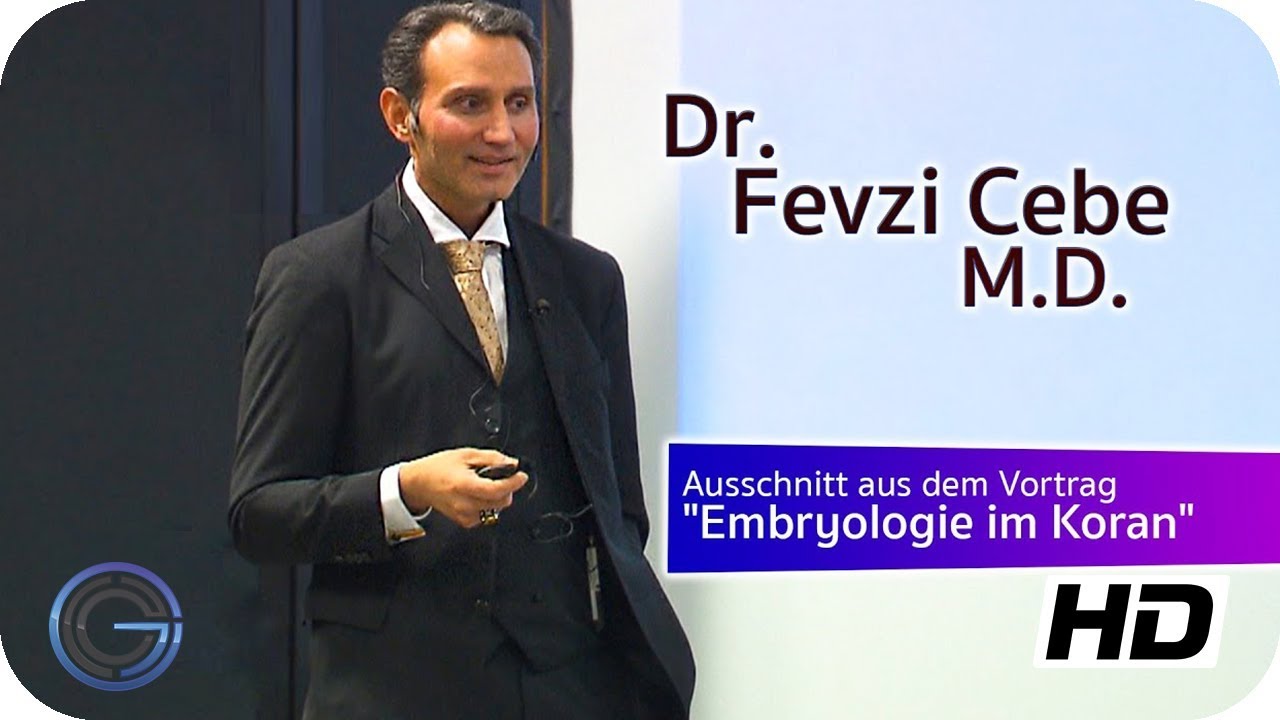
Instead of watching a 12-minute video, get a detailed breakdown of how the Quran describes human embryology and whether these descriptions align with modern scientific knowledge. This article explores the interpretations of Dr. Fevzi Cebe, the impact of Professor Keith L. Moore’s research, and the linguistic nuances of the Quranic verses on embryology. Let’s analyze the evidence! 🔍
🧐 The Quran and Embryology: A Miraculous Insight or Interpretation?
Many claim that the Quran described human embryology with incredible precision long before modern science discovered these facts. One of the most referenced experts on this topic is Professor Keith L. Moore, a world-renowned embryologist. His work has been used to support claims that the Quran’s descriptions of human development are scientifically accurate. But is this truly the case? Let’s investigate! 📚
📌 Watch at: 00:00:36 – Introduction to Keith L. Moore’s involvement in Quranic embryology.
🔬 Key Stages of Embryonic Development in the Quran
1️⃣ Nutfah – The Drop of Fluid 💦
🔍 Quranic Verse (23:13):
“Then We placed him as a sperm-drop in a firm lodging.”
📌 Watch at: 00:02:33 – Explanation of the term “Nutfah.”
🔬 Scientific Reality:
- Nutfah (نُطْفَة) is often translated as semen or sperm, but linguistically it refers to a single drop of fluid.
- Modern embryology confirms that fertilization happens when a sperm penetrates the egg and forms a zygote.
✅ Scientific Confirmation: The Quran’s description of fertilization aligns with modern understanding.
2️⃣ Alaqah – The Clinging Clot (Leech-Like Form) 🩸
🔍 Quranic Verse (23:14):
“Then We made the drop into a clinging clot…”
📌 Watch at: 00:04:29 – The meaning of “Alaqah.”
🔬 Scientific Reality:
- Alaqah (عَلَقَة) means something that clings or a leech-like structure.
- At day 22, the embryo clings to the uterine wall, resembling a leech in shape.
- Modern imaging technology confirms that the early embryo indeed has a similar appearance to a leech.
✅ Scientific Confirmation: The description is visually accurate, but some argue it is metaphorical rather than scientific.
3️⃣ Mudghah – The Chewed-Like Lump 🦷
🔍 Quranic Verse (23:14):
“Then We made the clot into a lump, like chewed flesh…”
📌 Watch at: 00:05:30 – Discussion on the Mudghah stage.
🔬 Scientific Reality:
- Mudghah (مُضْغَة) means a chewed-like substance.
- At week 4, somite ridges appear on the embryo, resembling teeth marks.
- This appearance is due to early tissue segmentation, which later develops into vertebrae and muscles.
✅ Scientific Confirmation: The analogy is striking, but critics argue that it is based on visual observation rather than scientific foresight.
4️⃣ Izam & Laham – Bones and Flesh Formation 🦴➡️💪
🔍 Quranic Verse (23:14):
“Then We made the lump into bones, and We clothed the bones with flesh.”
📌 Watch at: 00:06:41 – The Quran’s description of bones and flesh.
🔬 Scientific Reality:
- Bones and muscles develop simultaneously, not one after the other.
- Cartilage forms before ossification (bone hardening), and muscles grow along with skeletal structure.
❌ Scientific Issue: The Quran’s wording suggests a chronological sequence that does not fully align with modern embryology.
🧐 Rebuttal to Apologetics:
- Some argue that the Arabic conjunction (ف) does not indicate strict sequence.
- However, the term “clothed” (كسونا) implies bones must exist first, contradicting scientific findings.
📌 Watch at: 00:07:27 – Analysis of apologetic arguments.
🌍 The Quran and Scientific Interpretation
Did Keith L. Moore Acknowledge the Quran’s Accuracy? 🤔
- Professor Keith L. Moore initially found the Quran’s descriptions interesting.
- He later distanced himself from religious interpretations of his work.
- His book was edited to remove religious references after facing academic criticism.
📌 Watch at: 00:09:47 – How interpretations of Moore’s work changed over time.
🤯 Final Thoughts: Miracle or Metaphor?
✅ The Quran’s descriptions of embryology contain some visually accurate details.
✅ Some stages align with modern science, but others reflect ancient medical beliefs.
✅ The sequence of bones before flesh contradicts embryology, raising questions about divine origin.
✅ Keith L. Moore’s involvement was later clarified, and he did not claim the Quran provided new scientific knowledge.
📌 Watch at: 00:11:23 – Final conclusions and reflections.
📚 Further Reading & Scientific Research
🔗 Keith L. Moore’s Research on Embryology
🔗 Analysis of Ancient Greek Medical Texts
🔗 The Scientific Method and Quranic Interpretations
💬 What do you think? Does the Quran’s embryology describe science, or is it open to interpretation? Let’s discuss! 👇