
How Food Controls Your Genes: The Science Behind Nutrigenomics
Summary of Key Insights
1. Identical Genes, Different Outcomes
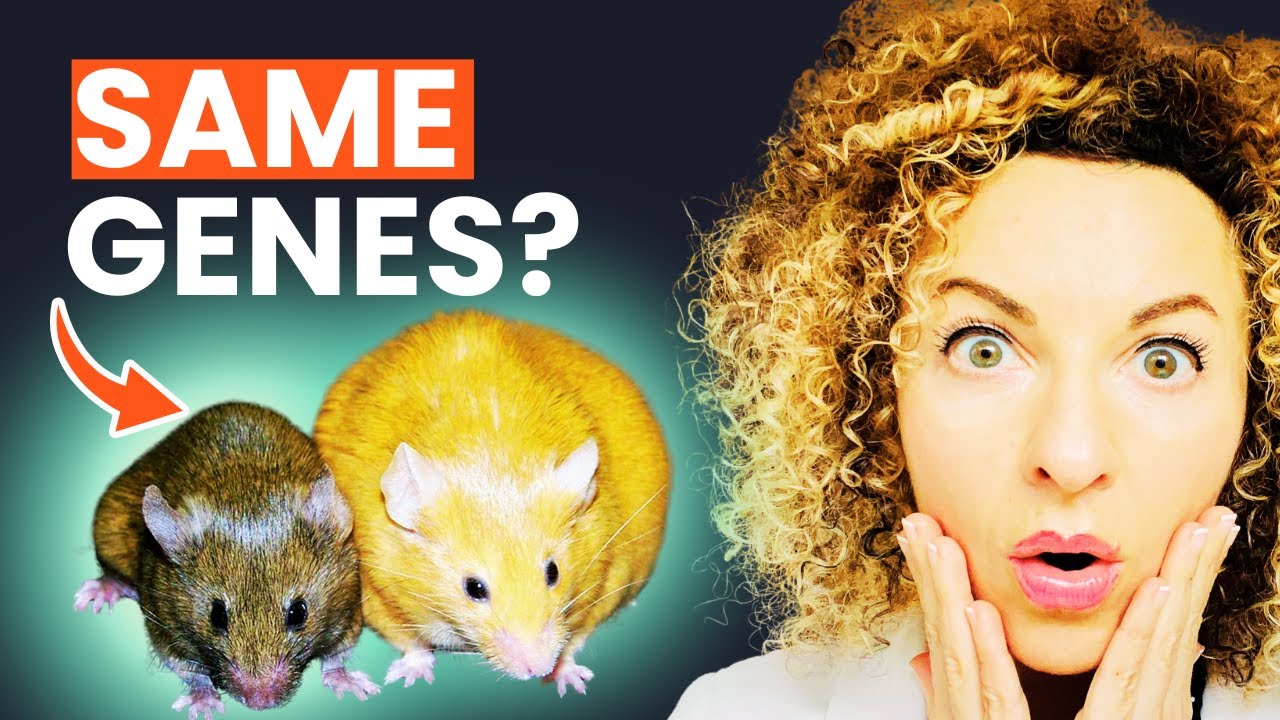
🔗 00:33 – Two twin mice, with identical DNA, grow up differently—one healthy and brown, the other obese and yellow—because of their mother’s diet.
Principle: Diet impacts gene expression.
Inference: You can influence your genetic health by making better food choices.
2. Genes Are Not Your Destiny
🔗 01:31 – Identical twins often age differently, showing that genes do not determine health outcomes alone.
Principle: Gene expression changes over time.
Inference: Lifestyle and nutrition play a major role in shaping health beyond genetic predisposition.
3. Epigenetics: The Software Controlling Your Genes
🔗 02:57 – Genes act like hardware, while epigenetics is like software that determines which genes turn on or off.
Principle: Genetic expression can be modified.
Inference: You can “update” your biological software through diet and lifestyle choices.
4. Food as a Genetic Messenger
🔗 05:21 – Nutrition sends signals to genes, affecting their activation or suppression.
Principle: Food is more than fuel—it programs your biology.
Inference: The right foods can enhance positive gene expression and suppress harmful genetic activity.
5. EP Nutrients: The Key to Genetic Health
🔗 06:23 – Special nutrients called “EP nutrients” help genes function optimally.
Principle: Certain nutrients support genetic regulation.
Inference: Ensuring a diet rich in EP nutrients can help prevent obesity and disease.
6. How Nutrients Shape Physical Development
🔗 06:55 – Honeybees fed royal jelly become queens, living 20 times longer than worker bees due to genetic activation.
Principle: Nutrition determines biological outcomes.
Inference: The right diet can unlock longevity and health benefits in humans too.
7. EP Nutrients and Where to Find Them
🔗 08:31 – Essential EP nutrients include folate, B12, methionine, and choline, found in leafy greens, liver, eggs, and seafood.
Principle: Different foods provide unique genetic benefits.
Inference: A balanced diet combining animal and plant sources supports optimal gene function.
8. EP Bioactives: The Genetic Regulators
🔗 11:46 – Compounds like polyphenols in tea and olive oil, postbiotics from fiber, and sulfur-rich vegetables regulate genes.
Principle: Natural compounds modulate genetic expression.
Inference: Eating nutrient-dense, colorful foods enhances genetic health.
9. The Power of Food Preparation
🔗 13:20 – Chopping, crushing, and cooking unlock beneficial compounds like sulforaphane in broccoli and allicin in garlic.
Principle: Food structure affects nutrient availability.
Inference: Simple preparation techniques can maximize health benefits.
10. Animal and Plant Foods: A Perfect Balance
🔗 14:22 – Animal foods provide bioavailable B12 and choline, while plant foods offer polyphenols and fiber, working together for optimal health.
Principle: A diverse diet is key to long-term well-being.
Inference: Nutritional balance, rather than exclusion, is the best approach.
11. Applying Nutrigenomics in Daily Life
🔗 15:25 – Small dietary changes, like consuming more EP nutrients and preparing foods properly, can rewrite your genetic health.
Principle: Practical nutrition choices impact long-term health.
Inference: Making intentional dietary shifts can lead to a healthier, longer life.