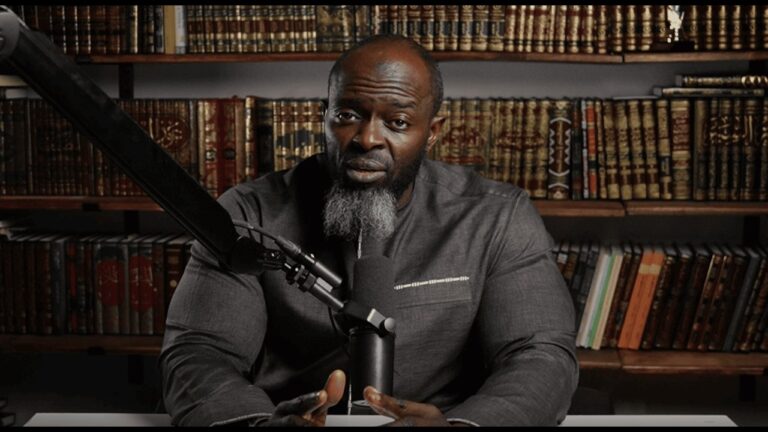

The Heated Debate: Israel, Palestine, and Power Struggles ⚖️🔥
TL;DR 📌
Reading Time Saved: 60 minutes ⏳
What You’ll Learn: A breakdown of the views, evidence, and contradictions from Rabbi Shmuley, Aaron Maté, and Omar Baddar in their fiery debate on Israel’s actions in Gaza, Hamas, and geopolitical narratives.
🏛️ The Key Figures in the Debate
- Rabbi Shmuley – A well-known Jewish author and commentator advocating for Israel.
- Aaron Maté – A journalist with The Grayzone, a critic of Israeli policies and U.S. foreign policy.
- Omar Baddar – A Palestinian-American political analyst supporting Palestinian self-determination.
Now, let’s break down their positions.
🔥 Rabbi Shmuley’s Views & Evidence
What He Represents: Pro-Israel, focusing on historical Jewish persecution and justifying Israeli actions as self-defense.
Key Takeaways for Audience: Israel is not committing genocide but defending itself from Hamas terrorism.
Assumptions: Hamas is the primary cause of suffering in Gaza, and Israel has been charitable in its aid.
Contradictions: While arguing that Israel is generous in providing resources to Gaza, he also claims they are an enemy that requires suppression.
🛠️ Supporting Evidence:
✅ Israel provides power and aid to Gaza but gets little appreciation (Timestamp 250s)
✅ Hamas has used billions of aid dollars for terror tunnels, not civilian infrastructure (Timestamp 312s)
✅ Israel withdrew from Gaza in 2005, and Hamas took over violently (Timestamp 1062s)
✅ Arab nations that trade with Israel thrive, while Hamas-ruled Gaza stagnates (Timestamp 373s)
🔥 Aaron Maté’s Views & Evidence
What He Represents: Anti-occupation, critical of U.S.-Israeli policies, advocating Palestinian sovereignty.
Key Takeaways for Audience: Israel is committing war crimes, and Palestinian resistance is justified.
Assumptions: Israel’s actions are not about security but about ethnic cleansing and expansion.
Contradictions: Argues that Israel deliberately keeps Gaza dependent but also that Hamas was left with full autonomy to govern.
🛠️ Supporting Evidence:
✅ Israel blockades Gaza, limiting economic independence (Timestamp 753s)
✅ The siege on Gaza has made living conditions uninhabitable (Timestamp 784s)
✅ Palestinians are denied sovereignty, leading to resistance (Timestamp 627s)
✅ Israeli airstrikes have killed civilians at an unprecedented rate (Timestamp 2245s)
🔥 Omar Baddar’s Views & Evidence
What He Represents: Palestinian rights, emphasizing international law and historical injustices.
Key Takeaways for Audience: Israel is violating human rights, and the world should intervene.
Assumptions: Israeli policies are designed to maintain Palestinian oppression.
Contradictions: Blames Israel entirely for Gaza’s struggles but acknowledges Hamas’ role in mismanagement.
🛠️ Supporting Evidence:
✅ Cutting Gaza’s power is a deliberate act of punishment (Timestamp 159s)
✅ International human rights organizations accuse Israel of apartheid (Timestamp 1281s)
✅ Palestinians lack basic freedoms compared to Israeli citizens (Timestamp 1312s)
✅ The Trump-backed Gaza plan ignores Palestinian voices (Timestamp 3018s)
🤯 Key Contradictions in the Debate
💥 Rabbi Shmuley: Says Israel is a democracy that provides aid, but defends the blockade that prevents Palestinian self-sufficiency.
💥 Aaron Maté: Blames Israel for Gaza’s situation but acknowledges Hamas’ military actions.
💥 Omar Baddar: Claims Israel is committing genocide but also that half the casualties are combatants, contradicting the legal definition of genocide.
🏆 Conclusion: A Conflict of Narratives
This debate highlights the deep-rooted contradictions and biases on both sides. Whether you support one side or the other, the key takeaway is that both historical grievances and modern-day policies fuel this conflict. Understanding these nuances is crucial for an informed discussion.
Further Analysis ⚖️🔥
🏛️ Key Figures & Their Perspectives
🔵 Rabbi Shmuley – Pro-Israel, Framing Hamas as the Problem
- Core View: Israel is defending itself against Hamas’ terrorism.
- Evidence Used: Israel provides aid to Gaza, but Hamas mismanages it.
- Key Assumptions: Israel is acting in self-defense, and Hamas is the true oppressor.
- Contradictions: Claims Israel is generous with aid, yet justifies restricting Gaza’s resources.
🔴 Aaron Maté – Anti-Occupation, Critiquing Israeli Policy
- Core View: Israel enforces an oppressive blockade on Gaza.
- Evidence Used: Israel’s blockade has made Gaza unlivable.
- Key Assumptions: Hamas is a response to Israeli oppression, not the root cause.
- Contradictions: Acknowledges Hamas’ mismanagement but puts all blame on Israel.
🟢 Omar Baddar – Palestinian Advocate, Emphasizing Human Rights Violations
- Core View: Israel is violating Palestinian human rights and committing war crimes.
- Evidence Used: Reports from international human rights organizations.
- Key Assumptions: Israel’s policies are designed to maintain Palestinian oppression.
- Contradictions: Criticizes Hamas but still argues Israel is solely responsible.
🧠 Arguments & Thought Process
🔵 Rabbi Shmuley’s Reasoning (Pro-Israel Defense)
- Hamas is the Problem → Hamas misuses aid, terrorizes its own people.
1A. Israel left Gaza in 2005.
1B. Hamas took over and turned Gaza into a war zone.
1C. Instead of building infrastructure, Hamas built tunnels and weapons. - Israel Provides Humanitarian Aid → Claims Israel subsidizes Gaza’s power.
2A. Israel still sends electricity, even after attacks.
2B. Gaza’s power failures are due to Hamas’ corruption.
2C. Arab nations thriving with Israel prove the problem isn’t Israel.
🔴 Aaron Maté’s Reasoning (Anti-Occupation Stance)
- Israel is an Occupier → Palestinians are denied basic rights.
1A. Gaza is under an inhumane blockade.
1B. The blockade makes it impossible for Palestinians to build infrastructure.
1C. Israel’s blockade led to worsening humanitarian conditions. - Hamas Resistance is Justified → Palestinian resistance is a reaction, not an initiation.
2A. Hamas previously pursued diplomatic solutions.
2B. Israel refused to engage with Palestinian leadership.
2C. The blockade forces violent resistance as the only option.
🟢 Omar Baddar’s Reasoning (Human Rights Argument)
- Israel is Committing War Crimes → Uses reports from human rights organizations.
1A. The blockade limits access to medical aid, food, and water.
1B. Israeli airstrikes have targeted civilian areas disproportionately.
1C. Palestinian casualties prove Israel is acting with excessive force. - Palestinians Are Oppressed, Not Just Hamas → Argues Israeli policies are designed to keep Palestinians subjugated.
2A. Gaza remains dependent on Israel due to military and economic control.
2B. The occupation has prevented Palestinian self-determination.
2C. The world is ignoring Palestinian suffering under the guise of fighting terrorism.
🔥 Logical Fallacies & Thought Process
🔵 Rabbi Shmuley’s Fallacies
- False Dichotomy: Frames the issue as Hamas vs. Israel, ignoring Palestinian civilians.
1A. Implies that opposing Hamas means supporting Israel’s actions.
1B. Ignores the possibility of opposing both Hamas and Israeli policies. - Appeal to Emotion: Uses Jewish suffering in history to justify Israeli actions.
2A. Draws parallels to historical persecution.
2B. Argues Jewish survival requires strong military responses.
🔴 Aaron Maté’s Fallacies
- Strawman Argument: Claims Israel wants to commit genocide without concrete proof.
1A. Uses harsh language like “ethnic cleansing” without acknowledging Israeli counterclaims.
1B. Frames Israel’s every action as an intentional war crime. - Appeal to Authority: Heavily relies on human rights organizations without addressing their potential biases.
2A. Ignores Israel’s legal defense and counter-evidence.
2B. Uses selective reports that align with his argument.
🟢 Omar Baddar’s Fallacies
- Guilt by Association: Blames Israel for all Palestinian suffering without acknowledging Hamas’ role.
1A. Fails to separate Palestinian civilians from Hamas leadership.
1B. Ignores Hamas’ actions against its own people. - Slippery Slope: Suggests that Israel’s actions inevitably lead to total destruction of Palestine.
1A. Does not provide evidence that Israel plans full-scale extermination.
1B. Assumes every military action is part of a larger plan.
🎤 Rhetorical Triggers & Talking Points
💥 Emotional Appeals Used
- Rabbi Shmuley: References Jewish history to justify Israel’s actions.
- Aaron Maté: Uses Palestinian suffering and casualty numbers to build sympathy.
- Omar Baddar: Frames Israel’s blockade as an intentional humanitarian crisis.
🗣️ Power Dynamics & Language Patterns
- Rabbi Shmuley: Positions himself as the defender of “Jewish survival.”
- Aaron Maté: Casts himself as a truth-teller exposing Israel’s “war crimes.”
- Omar Baddar: Uses “genocide” and “apartheid” to frame Israel’s actions as extreme.
🔥 Commentary Triggers for Engagement
Points to Agree On:
- The situation in Gaza is a humanitarian crisis (all sides agree).
- Hamas has mismanaged aid and governance (even critics of Israel acknowledge this).
- Israel has a right to security (even critics agree, but debate how it’s pursued).
Points for Disagreement:
- Is Israel’s response proportionate? → Critics say “no,” defenders say “yes.”
- Is Hamas’ resistance justified? → Some call it terrorism; others call it resistance.
- Is the blockade necessary? → One side sees it as security, the other as collective punishment.
🏆 Conclusion: Understanding the Core Debate
This debate is not just about Israel vs. Palestine—it’s about how history, politics, and military actions are framed. Each side uses selective facts, emotional appeals, and logical fallacies to push their perspective. The key to understanding this issue is recognizing the complexity and avoiding oversimplified narratives.
📌 What’s Your Take? Drop your thoughts below!