
Why December Feels So Different Every Year: The Hidden Power of Rituals and Collective Emotion
Discover the Truth Behind December’s Emotional Pull (00:00:00)
The Ancient Roots of December Celebrations
- What December Really Celebrates
December 25th is widely known as Christmas, a day many believe marks the birth of Jesus Christ. However, historical and scholarly evidence shows Jesus was not born in December. Instead, this date aligns with ancient pagan festivals celebrating the winter solstice—the shortest day and longest night of the year.
Why it matters: This reveals that modern Christmas traditions are layered over much older rituals, designed to tap into deep psychological and biological rhythms. - The Winter Solstice: A Moment of Maximum Vulnerability
Ancient civilizations—from Egyptians to Romans—marked the solstice as a critical turning point when the sun “stood still” before returning to bring longer days and renewed life. This moment was filled with fear and hope, prompting elaborate rituals to ensure the sun’s return.
Implications: These rituals were not just cultural but served as a form of consciousness programming, embedding powerful emotional and symbolic meaning into this time of year. - Saturnalia and the Origins of Modern Traditions
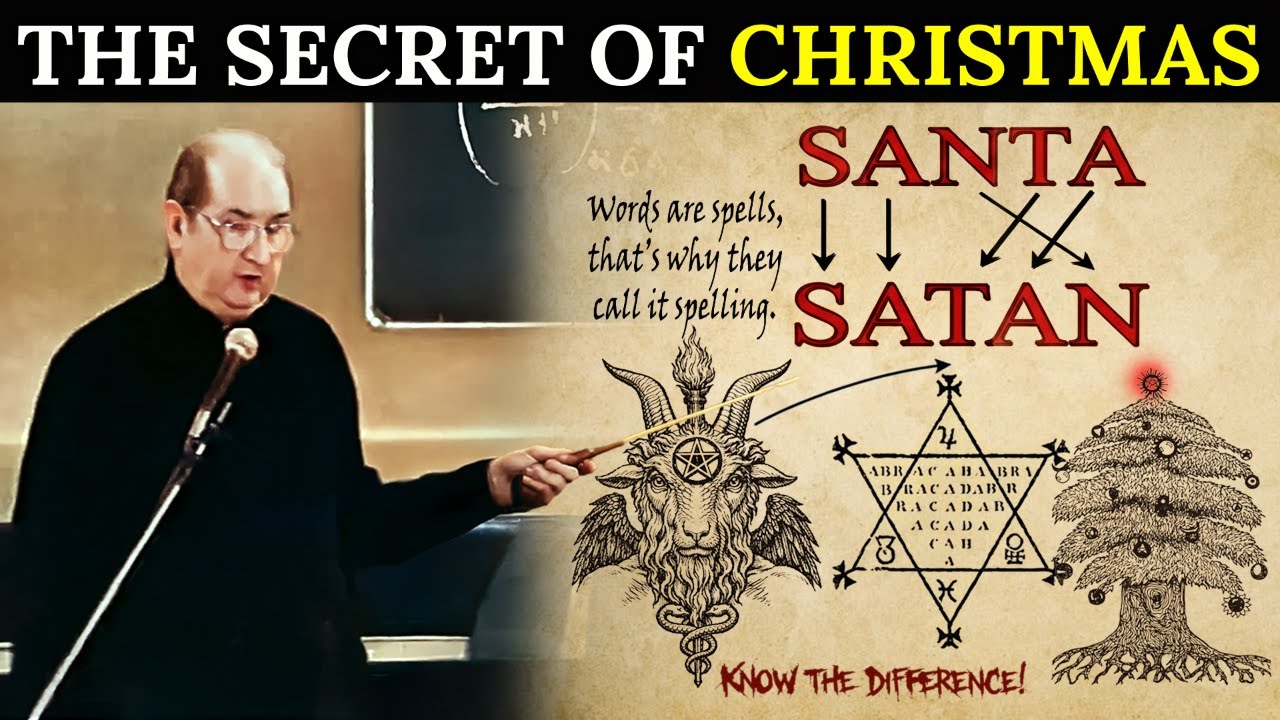
The Roman festival of Saturnalia (December 17–25) featured gift-giving, feasting, role reversals, and decorations—practices that closely mirror today’s Christmas customs. The figure of Santa Claus echoes Saturn’s archetype: a watchful judge who rewards or punishes behavior.
Why it matters: Understanding this lineage shows that many Christmas elements are rebranded pagan rituals, continuing to influence our subconscious today.
How Rituals Shape Our December Experience
- Rituals vs. Traditions: The Power of Repetition and Symbolism
Rituals are more than habits; they combine repetition, symbolism, and emotional engagement to program identity and subconscious patterns.- Repetition creates automatic responses.
- Symbols bypass logic and speak directly to the subconscious (e.g., Christmas trees, lights, red colors).
- Emotion locks in memories and feelings, reinforcing the ritual’s impact year after year.
Implications: This explains why December triggers intense nostalgia, generosity, guilt, and loneliness simultaneously, even if we consciously reject the holiday’s meaning.
- Memory as a Gateway to Programming
Childhood Christmas experiences imprint deeply because they occur before critical thinking develops. Every year, sensory triggers like smells, sounds, and sights reactivate these early memories, blending past and present emotions.
Why it matters: This cyclical memory reinforcement keeps us emotionally tethered to December rituals, often without awareness. - The Santa Archetype: Behavioral Conditioning from Childhood to Adulthood
Santa’s role as an all-seeing judge teaches children that behavior is constantly monitored and judged, linking love and reward to obedience.
Implications: This early conditioning normalizes surveillance and hierarchical authority, shaping adult attitudes toward social control and self-worth.
The Collective Emotional Field: December as a Global Phenomenon
- Mass Entrainment and Emotional Synchronization
When billions of people engage in the same rituals, listen to the same songs, and feel the same emotions simultaneously, a powerful electromagnetic field emerges, influencing collective consciousness.
Why it matters: This collective coherence can literally shape reality, as demonstrated by studies like the Global Consciousness Project, which found measurable changes in physical systems during major synchronized events. - The Psychological Impact of December’s Emotional Cocktail
The mix of nostalgia, guilt, generosity, loneliness, and hope is deliberately engineered to make people more suggestible and compliant.
Implications: This emotional predictability benefits economic systems by driving consumer spending and reinforces social hierarchies by reactivating family roles and cultural obedience. - The Economic Engine Behind December Rituals
Nearly 40% of annual retail revenue occurs in November and December, making the holiday season critical for global economies.
Why it matters: Corporations and institutions have a vested interest in maintaining the emotional intensity of December to sustain consumer behavior, regardless of individual well-being.
The Post-Holiday Reality: Why January Motivation Fades
- The Ritual Completion and Emotional Collapse
After the intense emotional and financial expenditure of December, January feels like a reset, but it’s actually a period of exhaustion and disorientation.
Implications: The common failure of New Year’s resolutions is not a lack of willpower but a biological and psychological aftermath of the December ritual cycle. - The Cycle of Consumption and Control
January’s “new year, new you” marketing taps into this vulnerability, selling products and programs promising transformation while people are still recovering from the previous ritual’s drain.
Why it matters: This cycle perpetuates consumer dependency and emotional manipulation year after year.
How to Break Free: Conscious Participation in December
- Awareness Protocol: Naming Your Emotional Triggers
When feelings like nostalgia, guilt, or generosity arise, pause and label them (e.g., “nostalgia trigger,” “guilt programming”).
Why it matters: Naming creates mental space, reducing automatic responses and empowering choice over compulsion. - Symbol Fasting: Reducing Exposure to Ritual Stimuli
Limit your intake of Christmas music, decorations, and commercials to only those symbols that genuinely resonate with you.
Implications: This reduces subconscious programming and emotional overwhelm, helping you stay grounded and authentic. - Conscious Giving Reset: Questioning Obligations
Before giving or spending, ask yourself if you truly want to or if you feel pressured by ritual expectations.
Why it matters: This practice helps reclaim personal agency and prevents emotional and financial exhaustion.
Key Takeaways: Understanding and Navigating December’s Unique Influence
- December’s emotional intensity is rooted in ancient solstice rituals layered with modern traditions, designed to program subconscious behavior.
- Rituals combine repetition, symbolism, and emotion to create powerful identity programming that activates every year.
- The collective emotional synchronization of billions creates a reality-shaping field that influences individual and societal behavior.
- Economic and social systems benefit from maintaining December’s emotional and ritualistic power, often at the expense of personal well-being.
- January’s motivation slump is a natural consequence of ritual exhaustion, not personal failure.
- Conscious awareness, selective symbol exposure, and mindful giving can help break automatic participation and restore personal freedom.
By understanding these hidden mechanisms, you can transform your December experience from unconscious participation into empowered, meaningful celebration—embracing the joy without falling prey to manipulation.