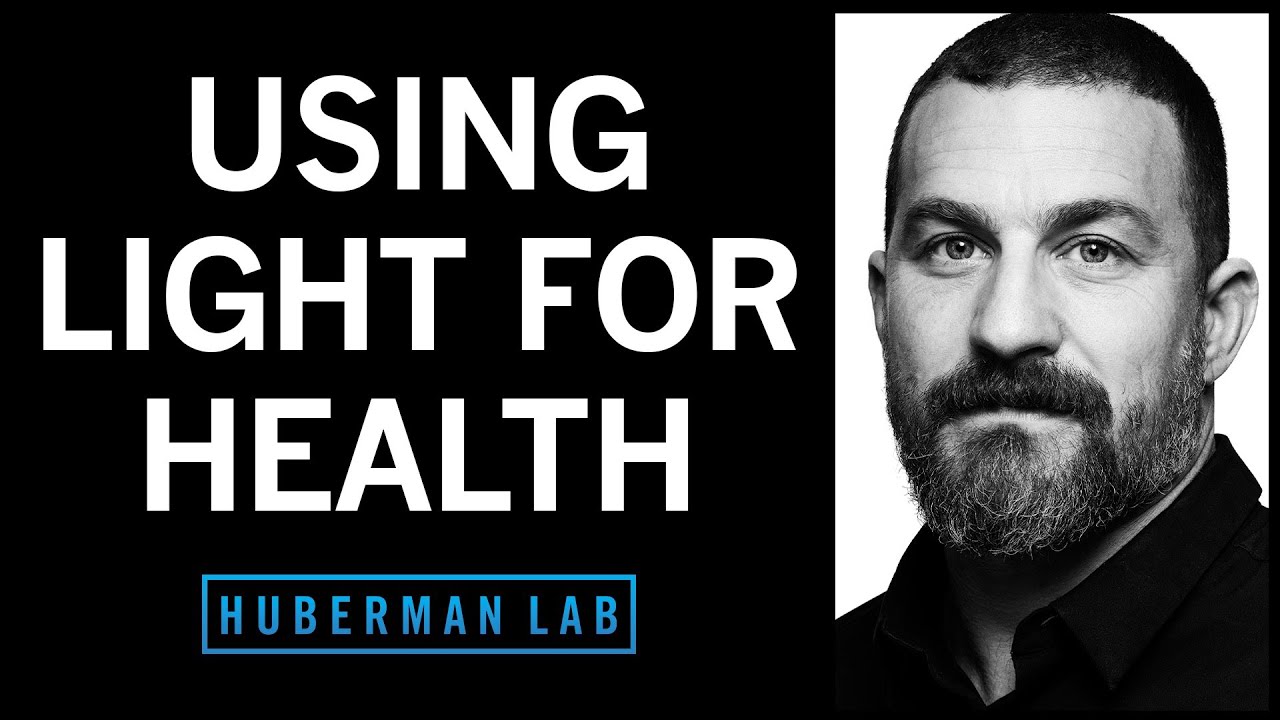
🌞 Using Light: Sunlight, Blue Light & Red Light to Optimize Health
Huberman Lab Podcast #68
📌 Key Moments with Hyperlinks
• The Science of Light & Health – 00:31
• How Light Affects Sleep, Alertness & Mood – 01:32
• Red Light Therapy: The Key to Aging & Vision Protection – 03:19
• Blue Light & Its Dual Effect on the Brain – 06:33
• Sunlight’s Impact on Testosterone & Estrogen – 08:56
• How UVB Light Affects Hormones & Mood – 12:45
• Melatonin, Sleep & The Dark Side of Artificial Light – 14:28
• Skin Exposure to Sunlight & Its Hidden Benefits – 18:32
• Pain Reduction & Immunity Through Light – 22:15
• Light & Its Role in Seasonal Affective Disorder (SAD) – 25:05
🏆 11 Science-Backed Insights on How Light Affects Health
1️⃣ Light Is Not Just Illumination – It’s a Biological Tool
🔍 Point: Light is an electromagnetic energy that directly interacts with our cells, influencing hormones, mood, metabolism, and sleep.
🧩 Principle: Different wavelengths (red, blue, ultraviolet) penetrate tissues at different depths, triggering various biological effects.
💡 Inference: Harnessing the right light exposure can optimize health, prevent aging, and enhance cognitive function.
2️⃣ Blue Light – The Double-Edged Sword for Brain & Sleep
🔍 Point: Blue light stimulates wakefulness by suppressing melatonin, which is great in the morning but disruptive at night.
🧩 Principle: Blue light affects intrinsically photosensitive retinal ganglion cells, which control circadian rhythms.
💡 Inference: Expose yourself to blue light in the morning for alertness, but avoid screens before bed to prevent sleep disruption.
3️⃣ Red Light Therapy – The Anti-Aging & Vision Protector
🔍 Point: Red light (600–700nm) enhances mitochondrial function, slowing vision loss and promoting cellular repair.
🧩 Principle: Mitochondria produce more ATP (energy) under red light exposure, improving skin, vision, and brain function.
💡 Inference: A few minutes of morning red light exposure can enhance cellular energy production and slow degenerative aging.
4️⃣ Sunlight & Its Direct Role in Testosterone & Estrogen Production
🔍 Point: UVB light exposure to the skin increases testosterone & estrogen levels by activating the p53 gene in skin cells.
🧩 Principle: Sunlight exposure enhances reproductive hormone output and increases libido.
💡 Inference: 20–30 minutes of skin exposure to sunlight, 2–3 times a week, can naturally boost testosterone & estrogen levels.
5️⃣ UVB Light & Its Surprising Mood-Boosting Effect
🔍 Point: UVB stimulates the release of beta-endorphins, which act as natural painkillers and mood elevators.
🧩 Principle: Light exposure influences neurotransmitter release, enhancing feelings of well-being.
💡 Inference: Daily sunlight exposure (even on cloudy days) can prevent depression and increase resilience to stress.
6️⃣ Melatonin: The Sleep Hormone That Artificial Light Destroys
🔍 Point: Artificial light at night disrupts melatonin release, leading to poor sleep and metabolic dysfunction.
🧩 Principle: Melatonin controls deep sleep, immune function, and brain detoxification.
💡 Inference: Avoid bright artificial lights before bed & use red light instead to preserve melatonin levels.
7️⃣ Skin Is More Than a Barrier – It’s a Hormone-Producing Organ
🔍 Point: Your skin produces biological signals in response to light, influencing testosterone, estrogen, and vitamin D levels.
🧩 Principle: Sunlight activates genetic pathways in keratinocytes, regulating mood, metabolism, and immunity.
💡 Inference: Sunscreen blocks these effects, so balance sun protection with brief, controlled exposure.
8️⃣ How Light Can Reduce Pain Naturally
🔍 Point: Bright light exposure triggers the periaqueductal gray region of the brain, releasing natural opioids that reduce pain.
🧩 Principle: Endogenous opioid release increases pain tolerance and lowers stress levels.
💡 Inference: Natural sunlight can act as a drug-free way to improve pain management and resilience.
9️⃣ Light & Its Role in Seasonal Affective Disorder (SAD)
🔍 Point: Longer daylight exposure in summer correlates with increased dopamine & serotonin levels, reducing depression.
🧩 Principle: SAD occurs due to insufficient natural light exposure during winter months.
💡 Inference: Using a bright light therapy device in winter can help combat seasonal depression.
🔟 The Right Way to Use Artificial Light for Better Sleep & Energy
🔍 Point: LED screens emit high blue light, suppressing melatonin & causing sleep disturbances.
🧩 Principle: Amber/red light exposure in the evening preserves sleep quality and supports circadian health.
💡 Inference: Use blue-light-blocking glasses at night or switch to red bulbs for better sleep.
1️⃣1️⃣ The Ultimate Protocol: How to Optimize Light Exposure Daily
🔍 Point: Strategic light exposure can improve focus, sleep, and hormonal balance.
🧩 Principle: Morning sunlight, midday red light, and evening dim light provide the best biological rhythm alignment.
💡 Inference: Develop a habit of outdoor exposure early in the day & limit artificial light at night for optimal health.
🎯 Final Takeaway
🔹 Natural light is essential for sleep, hormones, mood, and health.
🔹 Avoid artificial light at night to preserve melatonin production.
🔹 Daily sunlight exposure (even in winter) can prevent seasonal depression & enhance brain function.
Would you like an article, a diagram, or a quiz on this? Let me know how you’d like to explore this further! 🚀