
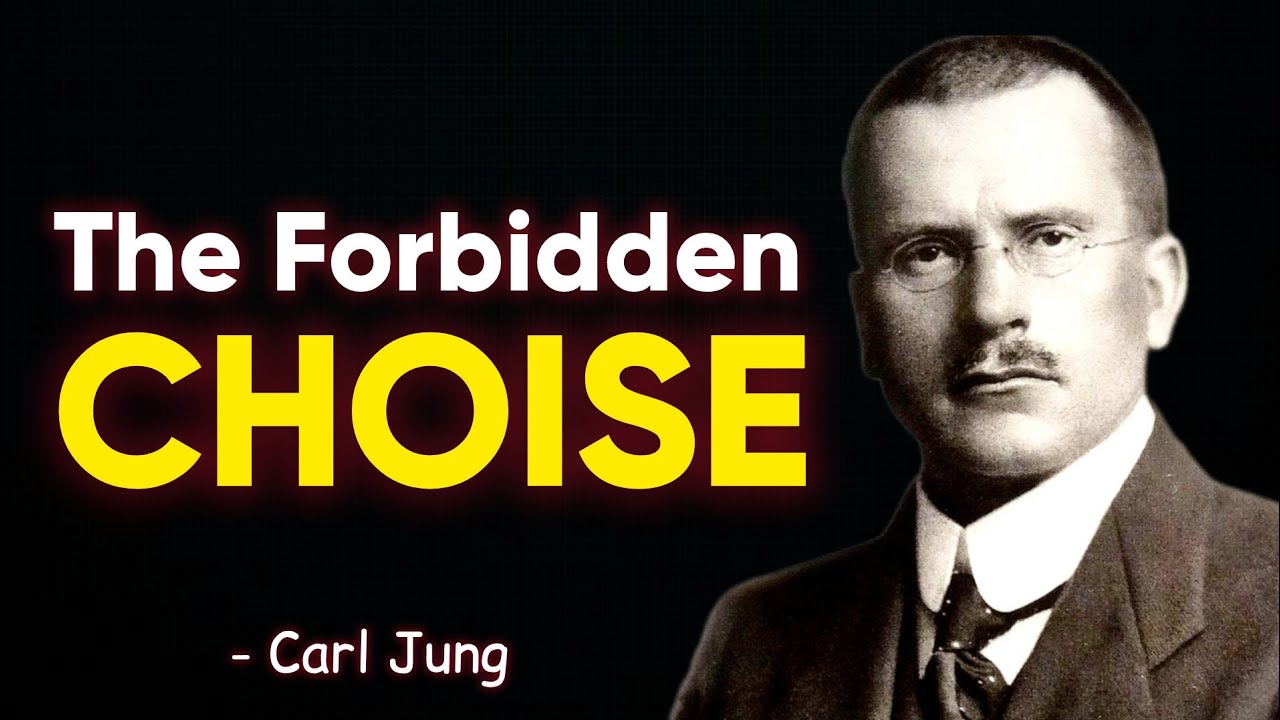
“The Sacred Self: When Choosing Yourself Becomes an Act of Faith and Freedom”
How the inner voice becomes revelation, sacrifice turns oppressive, and true selfhood aligns with Divine Will
1a. When the Noise Dies Down, the Soul Begins to Speak
📌 00:00
📝 The Point:
• Imagine waking up and all the voices—society, family, self-doubt—go silent. What’s left? The unfiltered “you.”
• The quiet feels like peace, but choosing that voice over others feels like betrayal.
• We’ve been told sacrificing ourselves is noble. But what if the betrayal was abandoning ourselves?
⚖️ The Law:
• Islam values self-awareness and introspection. The Prophet Muhammad (peace be upon him) said: “He who knows himself, knows his Lord” (a narration attributed by some scholars to Sufi tradition).
• The Qur’an honors fitrah (فطرة)—the innate pure nature of the soul, untainted by external forces (Qur’an 30:30).
• Imam Al-Ghazali warned against “ghaflah” (heedlessness)—the sin of being oblivious to one’s inner self and purpose.
🔮 And So:
• Awakening your authentic self is not rebellion; it is return—to fitrah, to truth, to God’s design.
• Choosing yourself is not an act against others but a realignment with what Allah has written within you.
• The final betrayal isn’t of others—it’s of the ruh (soul) Allah entrusted you with.
“If God created me unique, why do I seek to disappear in the crowd?”
1b. Love Misunderstood: The Cost of Disappearing for Others
📌 00:32
📝 The Point:
• We’re taught love equals self-sacrifice to the point of erasure.
• But this breeds quiet resentment, hollow interactions, and spiritual poverty.
• Carl Jung saw full self-acceptance as terrifying—because it breaks social contracts.
⚖️ The Law:
• Islam balances rights of the self and others. “Your self has a right over you” (Hadith, Bukhari).
• Shari’ah (Islamic law) prohibits unjust self-harm—even emotionally or spiritually.
• Imam Shafi’i warned: “The one who cannot guide himself cannot guide others.”
🔮 And So:
• Disappearing for love is not love—it’s fear dressed as virtue.
• We can’t give mercy if we feel empty inside.
• True love in Islam is anchored in ihsan (excellence), not self-erasure.
“What kind of love asks you to bury your soul alive?”
1c. Society Doesn’t Want You Awake
📌 01:03
📝 The Point:
• Society thrives when you comply. Individual awakening disrupts the herd.
• Nietzsche called morality a herd instinct—Islam calls this blind taqlid (imitating without understanding).
• We’re conditioned to see selfhood as selfish, but this fear keeps us in chains.
⚖️ The Law:
• The Qur’an praises those who “use their reason” (Qur’an 2:242).
• Islam rejects blind following without insight (Qur’an 17:36).
• Imam Malik taught that the people are not infallible—the truth is what aligns with the Qur’an and Sunnah.
🔮 And So:
• Obedience that kills the soul is not piety—it’s idolatry of conformity.
• Submission to Allah requires rejecting submission to the crowd.
• The price of fitting in is often your own disappearance.
“Are we obeying Allah—or just afraid to be seen?”
1d. The Chains You Can’t See Are the Heaviest
📌 01:34
📝 The Point:
• When you deny your soul, it fights back—through anxiety, rage, exhaustion.
• Jung called it “the shadow’s revenge”—Islam calls it nafs al-lawwama (the self that blames).
• Modern burnout is spiritual dislocation.
⚖️ The Law:
• The Prophet said, “There is a piece of flesh in the body, if it is sound, the whole body is sound—it is the heart” (Bukhari).
• Islamic psychology recognizes that ruh (soul), qalb (heart), and nafs (ego) are interwoven.
• Imam Ibn Qayyim warned against chronic heedlessness—it leads to spiritual death.
🔮 And So:
• We suffer not from what happens to us—but from the lives we never chose.
• Silencing the soul is spiritual suicide.
• Allah does not burden a soul beyond its capacity—but what if the burden is a false life?
“What illness are we calling strength, simply because we refuse to listen within?”
1e. Sleepwalking Through Life: The Real Tragedy
📌 02:04
📝 The Point:
• Lying to yourself to avoid the responsibility of choice is Sartre’s “bad faith.”
• You become a ghost in your own life—moving, but not living.
• Even pain becomes comforting if it’s familiar.
⚖️ The Law:
• Islam forbids self-deception (Qur’an 2:9).
• The Prophet warned about being “of those who go astray while thinking they are rightly guided” (Qur’an 18:104).
• Imam Ghazali taught that the soul must constantly renew intention to stay awake.
🔮 And So:
• Suffering is not the worst fate—numbness is.
• The world can forget you existed if you never existed for yourself.
• Islam demands intentional living—not ritualized sleepwalking.
“Is comfort worth more than truth?”
1f. Sovereignty Is Not Selfishness
📌 02:37
📝 The Point:
• Jung’s solution is individuation—not egoism, but the courage to integrate your shadows and light.
• Saying “no” to guilt is not cruelty—it’s clarity.
• “Should” is society’s leash; “purpose” is God’s call.
⚖️ The Law:
• Tawheed (oneness of God) includes loyalty to the truth within you.
• Islam’s definition of ‘self’ includes divine accountability.
• Imam Abu Hanifa said the soul must know its Lord and itself to worship properly.
🔮 And So:
• Being whole isn’t a rebellion—it’s a return to Divine wholeness.
• Sovereignty of the self leads to sincerity in worship.
• We are khulafa (stewards), not slaves to society’s demands.
“If I was created for Paradise, why am I stuck living someone else’s life?”
1g. Creative Destruction: When Breaking Down is Building Up
📌 03:07
📝 The Point:
• Let the false life collapse—it’s the price of a true one.
• Disappointment is often divine redirection.
• The life you tolerate must end for the one you deserve to begin.
⚖️ The Law:
• Qur’an says: “Perhaps you dislike a thing and Allah makes therein much good” (2:216).
• Trials are purification, not punishment (Qur’an 29:2).
• Rumi said: “Don’t grieve. Anything you lose comes round in another form.”
🔮 And So:
• What breaks you down often frees you.
• Letting go of who you’re not allows Allah to guide who you are.
• Burnout may be divine invitation, not defeat.
“What if your pain is your soul’s only way to get your attention?”
1h. Choosing Yourself as Worship
📌 03:17
📝 The Point:
• Real love begins when you no longer beg to be seen.
• As Jung said, “who looks inside awakes.”
• Giving others permission to be real starts with your own awakening.
⚖️ The Law:
• Allah loves those who return to Him in sincerity (Qur’an 2:222).
• The Prophet (peace be upon him) was told: “Say, I am only a warner, and not a guardian over you” (Qur’an 6:66).
• Islam honors inner clarity above outer validation.
🔮 And So:
• Living truthfully is an act of dawah (invitation to truth).
• You stop needing others to see you when you are seen by your Creator.
• Love becomes expansive, not enslaving.
“Whose permission am I still begging for, when Allah has already chosen me?”
Glossary
• Fitrah (فطرة): Natural, God-given disposition.
• Nafs al-Lawwama (النفس اللوامة): The self that blames or holds conscience.
• Tawheed (توحيد): The absolute oneness of God.
• Khilafah (خلافة): The concept of humans as stewards of Earth.
• Ghaflah (غفلة): Heedlessness or spiritual negligence.
• Bad faith: Self-deception to avoid existential responsibility (term used by Sartre).
• Ihsan (إحسان): Spiritual excellence in devotion and conduct.