
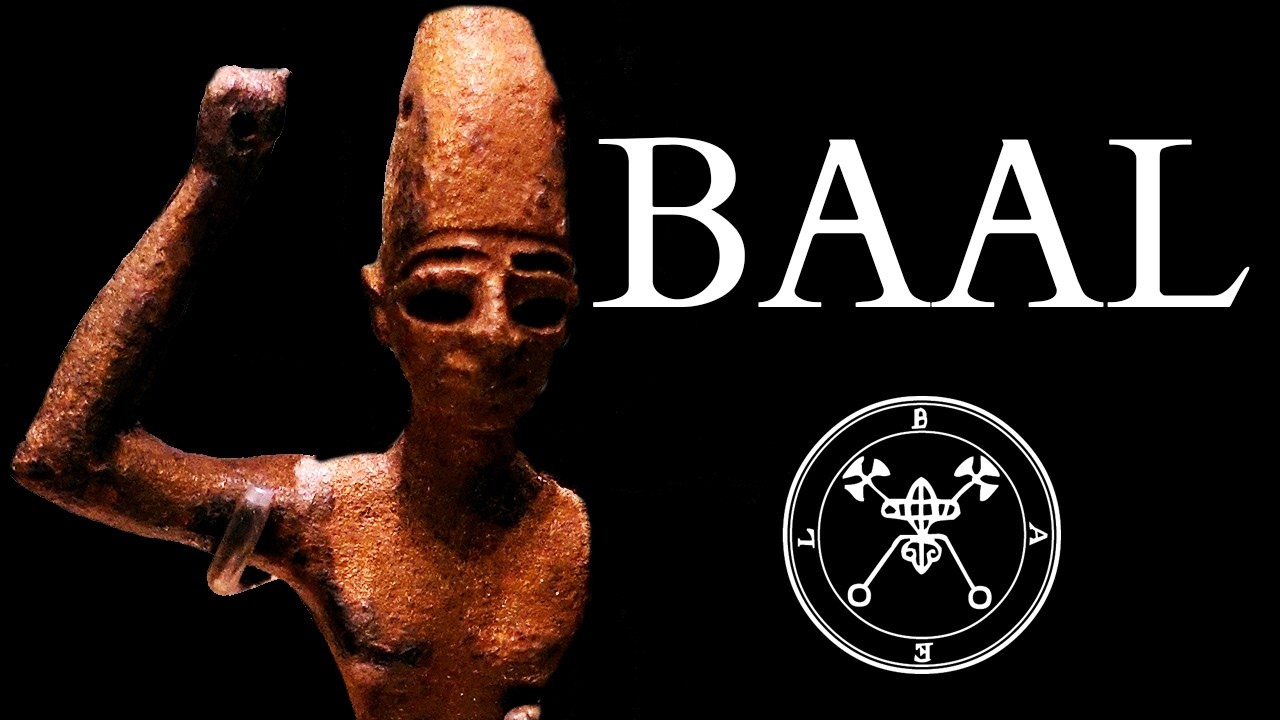
Baal: The Ancient Storm God Who Challenged Yahweh and Shaped Near Eastern Mythology
Discover the Epic Story of Baal 00:00:00
Introduction to Baal: The Rider Upon the Clouds
Baal, once the dominant storm god of the ancient Near East, was a powerful deity worshiped across Canaan long before Yahweh rose to prominence. Known as the “Rider upon the Clouds,” Baal was revered as the master of storms, lightning, and fertility—forces essential to agricultural societies dependent on seasonal rains. His mythological journey from revered god to demonized figure reveals much about the religious and cultural shifts in the ancient world.
Who Was Baal and Why Did He Matter?
- What Baal Represented:
Baal was primarily a storm and fertility god, controlling rain and thunder—vital for the agrarian communities of Canaan where agriculture depended on unpredictable Mediterranean winter storms rather than river irrigation.
Why it matters: This made Baal indispensable for survival and prosperity, cementing his popularity and influence. - Baal’s Origins and Evolution:
Originating as Hadad in Mesopotamia, Baal migrated westward, adapting to the unique climate and culture of Canaan. His name, meaning “Lord” or “Master,” signified political and military power, as well as divine authority over nature and life cycles.
Implications: Baal’s transformation reflects how deities evolve to fit local needs and beliefs, illustrating the fluidity of ancient religious identities. - The Baal Cycle:
The epic myth cycle from Ugarit (modern Syria) details Baal’s battles against the sea god Yam and the death god Mot, symbolizing the eternal struggle between order and chaos, life and death.
Why it matters: This cycle is one of the richest sources of Canaanite religion, showing Baal as a heroic figure who sustains life by defeating chaos.
Baal’s Mythological Battles: Order vs. Chaos
- Conflict with Yam (Sea God):
Baal’s victory over Yam represents the triumph of storm and fertility over the chaotic, destructive sea. This battle is a metaphor for the seasonal storms that bring life-giving rain but also threaten destruction.
Implications: It highlights ancient peoples’ attempts to understand and personify natural forces. - Struggle with Mot (Death):
Baal’s death and resurrection cycle with Mot symbolizes the agricultural cycle of drought and fertility, reflecting the natural rhythms of life and death in the ancient world.
Why it matters: This myth underpins the importance of seasonal renewal and the hope for rebirth, themes central to many ancient religions. - Role of Anat, Baal’s Sister:
Anat, a fierce warrior goddess, aids Baal by defeating Mot, reinforcing the theme of life’s victory over death.
Implications: Her role emphasizes the interconnectedness of divine figures in maintaining cosmic balance.
Baal and Yahweh: Theological Rivalry and Assimilation
- Historical Context:
Baal was the dominant god in Canaan when Yahweh, a deity from southern regions, began to rise among the Israelites around 1000 BCE. Both were storm gods, making their rivalry inevitable.
Why it matters: This rivalry shaped the religious landscape of the ancient Near East and influenced the development of monotheism. - Assimilation and Conflict:
Yahweh absorbed many attributes of Baal, as seen in Psalm 29, which echoes Baal’s storm imagery. However, Israelite prophets like Elijah fiercely opposed Baal worship, framing Baal as a false god.
Implications: This reflects the complex process of religious syncretism and the struggle for theological dominance. - Cultural and Political Alliances:
Despite official opposition, Baal worship persisted alongside Yahweh worship, especially among common people and political alliances, such as the marriage of Jezebel, a Baal devotee, to the Israelite king Ahab.
Why it matters: It shows the practical realities of religious coexistence and political strategy in ancient societies.
Baal’s Demotion and Legacy in Later Traditions
- From God to Demon:
With the rise of monotheistic Judaism, Christianity, and Islam, Baal was demonized, transformed into a symbol of evil and chaos opposing the one true God. He appears in demonological texts as Beelzebub, the “Lord of the Flies,” and features prominently in Western occult traditions.
Implications: This demonization reflects how religious narratives evolve to delegitimize former rival deities. - Influence on Western Occultism:
Baal’s figure survives in grimoires and magical texts, often depicted as a powerful demon commanding legions of spirits.
Why it matters: His enduring presence in occult literature highlights the lasting cultural impact of ancient mythologies. - Reevaluating Baal Today:
Modern discoveries, like the Ugaritic texts, allow us to appreciate Baal on his own terms—as a complex, heroic deity central to Canaanite religion rather than merely a “false god.”
Implications: This challenges traditional narratives and enriches our understanding of ancient religions.
Key Takeaways: Understanding Baal’s Enduring Significance
- Baal was a vital storm and fertility god whose myths explained natural cycles essential to ancient agrarian life.
- His epic battles symbolize the universal struggle between order and chaos, life and death.
- Baal’s rivalry with Yahweh shaped the religious evolution of the ancient Near East, influencing the rise of monotheism.
- The demonization of Baal in later traditions reflects shifting theological perspectives and power dynamics.
- Recent archaeological discoveries restore Baal’s status as a major deity, offering a richer, more nuanced view of ancient Canaanite spirituality.
Exploring Baal’s story not only deepens our understanding of ancient mythologies but also reveals the dynamic interplay of religion, culture, and power that continues to influence spiritual narratives today. Whether you’re a history enthusiast, a student of religion, or simply curious about ancient myths, Baal’s epic saga offers timeless insights into humanity’s quest to make sense of the world around them.