
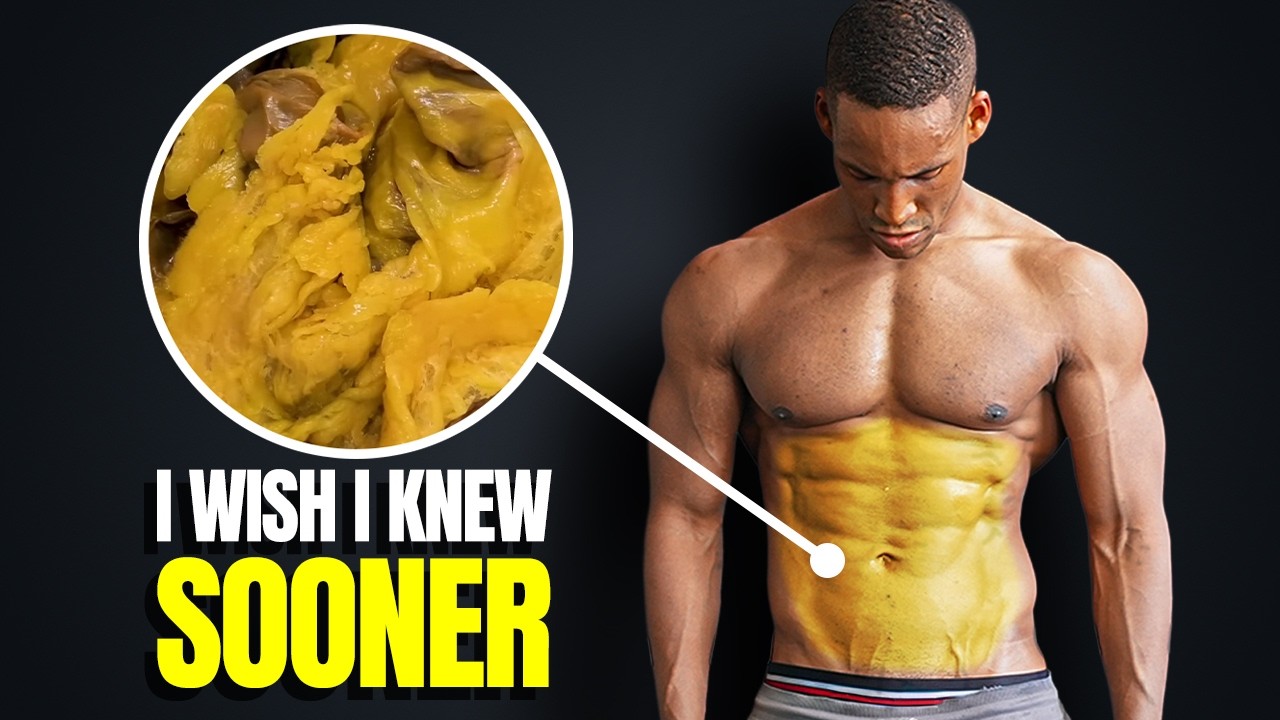
How to Permanently Eliminate Visceral Fat: 8 Science-Backed Strategies for Lasting Results
Start Transforming Your Body Now (00:00:00)
Visceral fat—the dangerous fat stored around your organs—is more than just a cosmetic issue. It’s linked to serious health risks like diabetes, heart disease, and metabolic problems. The good news? You can permanently reduce visceral fat by adopting targeted, science-backed habits. Here’s a comprehensive guide to eight proven strategies that will help you burn visceral fat efficiently and sustainably.
1. Master Your Morning Routine: Control the First Hour of Your Day
What:
- Wake up at the same time every day, including weekends.
- Avoid your phone for the first 30 minutes; keep it in another room.
- Get direct sunlight within 10 minutes of waking.
- Engage in light movement (jumping jacks, push-ups) or take a cold shower.
Why:
- Consistency sets your circadian rhythm, optimizing hormone balance.
- Avoiding early phone use prevents unnecessary cortisol spikes.
- Sunlight exposure helps regulate metabolism and energy levels.
- Movement or cold exposure jumpstarts metabolism and fat burning.
Implications:
- Proper morning habits reduce cortisol-induced fat storage, especially around visceral organs.
- Setting this foundation improves energy, muscle maintenance, and fat loss throughout the day.
2. Time Your Eating: Use an 8-Hour Eating Window with 16-Hour Fasting
What:
- Compress all meals into an 8-hour window (e.g., noon to 8 p.m.).
- Fast for the remaining 16 hours daily.
- Stop eating sharply at 8 p.m.
- Drink black coffee, green or black tea, and sparkling water during fasting.
Why:
- Insulin, the fat-storage hormone, stays lower during fasting, enabling fat burning.
- After 12 hours of fasting, your body enters fat-burning mode, intensifying by hour 16.
- Avoiding late-night eating prevents insulin spikes that block fat loss.
Implications:
- Intermittent fasting enhances visceral fat reduction without complicated diets.
- This approach improves insulin sensitivity and metabolic health long-term.
3. Walk Before Your First Meal: Boost Fat Burning by 20-30%
What:
- Take a 10-minute walk (about 1,000 steps) before breaking your fast.
- Keep the pace moderate—no need for intense exercise.
Why:
- Walking in a fasted state forces your body to use fat as fuel.
- It improves insulin sensitivity for up to 24 hours, directing calories to muscle instead of fat.
Implications:
- This simple habit accelerates visceral fat loss and supports better blood sugar control.
- It’s an easy, accessible way to enhance fat burning without gym time.
4. Prioritize Protein at Every Meal: Trigger Appetite Control and Blood Sugar Stability
What:
- Eat at least 30 grams of protein first at every meal.
- Examples: 4 oz chicken breast, 5 oz salmon, 1 cup Greek yogurt, 5 eggs, or 6 oz lean turkey.
Why:
- Protein stimulates GLP-1, a natural appetite-suppressing hormone.
- It reduces blood sugar spikes by 40%, preventing insulin surges.
Implications:
- Starting meals with protein helps control hunger and reduces fat storage.
- You can eat other foods freely afterward without counting calories obsessively.
5. Eliminate Liquid Calories: Avoid Hidden Insulin Spikes
What:
- Cut out sugary drinks: soda, fruit juices (even fresh), sports drinks, energy drinks, and alcohol.
- Replace with water, sparkling water with lemon, black coffee, or unsweetened tea.
Why:
- Liquid calories spike insulin without triggering fullness, promoting fat storage.
- Your brain doesn’t register liquid calories as food, leading to overeating.
Implications:
- Removing liquid calories is one of the easiest and most effective ways to reduce visceral fat.
- This habit supports overall calorie control and metabolic health.
6. Avoid Sitting for More Than an Hour: Keep Your Metabolism Active
What:
- Stand up and move for 2-3 minutes every hour.
- Incorporate light walking or stretching breaks throughout the day.
Why:
- Sitting for long periods reduces lipoprotein lipase, a fat-burning enzyme, by 50%.
- Breaking up sitting increases fat oxidation by 23%.
Implications:
- Frequent movement prevents your body from switching into fat storage mode.
- This “NEAT” (non-exercise activity thermogenesis) can burn an extra 300-500 calories daily.
7. Strength Train 2-3 Times Weekly: Build Muscle to Boost Resting Metabolism
What:
- Perform 30-45 minute sessions focusing on compound movements like squats, deadlifts, rows, presses, and pull-ups.
- Use bodyweight, resistance bands, or weights—no fancy equipment needed.
Why:
- Muscle burns 6-10 calories per pound daily at rest.
- 10 pounds of muscle can burn 100 calories per day without extra effort.
Implications:
- Strength training accelerates fat loss by increasing your resting metabolic rate.
- It also improves body composition and overall health.
8. Fix Your Sleep Window: Prioritize Quality Rest for Hormonal Balance
What:
- Follow the “10 3 2 1 0” rule:
- Last caffeine 10 hours before bed.
- Last big meal 3 hours before bed.
- Stop drinking fluids 2 hours before bed (sip only if needed).
- No screens 1 hour before bed; use blue light blocking glasses.
- Avoid snoozing alarms.
- Aim for 7-8 hours of sleep in a cool room (~68°F).
Why:
- Poor sleep elevates cortisol and ghrelin (hunger hormone), lowers leptin (satiety hormone).
- This hormonal imbalance sabotages fat loss efforts.
Implications:
- Quality sleep is the foundation for all other fat loss strategies to work effectively.
- Consistent sleep improves energy, mood, and metabolic health.
Key Takeaways: Your Blueprint to Permanent Visceral Fat Loss
- Control your mornings: Consistent wake time, no phone, sunlight, and movement set your metabolism right.
- Time your meals: An 8-hour eating window with 16-hour fasting optimizes fat burning.
- Move before eating: A simple 10-minute walk before your first meal boosts fat loss and insulin sensitivity.
- Eat protein first: Protein curbs appetite and stabilizes blood sugar, making fat loss easier.
- Cut liquid calories: Avoid sugary drinks and alcohol to prevent hidden fat storage triggers.
- Break up sitting: Frequent movement throughout the day keeps your metabolism active.
- Strength train regularly: Building muscle increases your resting calorie burn.
- Prioritize sleep: Quality rest balances hormones critical for fat loss.
By integrating these eight strategies into your daily life, you’ll not only shed visceral fat but also build a foundation for lasting health and vitality. Start with one or two habits today and watch your body transform step by step.