🔥 Bassem Youssef vs. Western Media: Exposing Bias, Money & Misinformation
Writers Identified & Their Stances
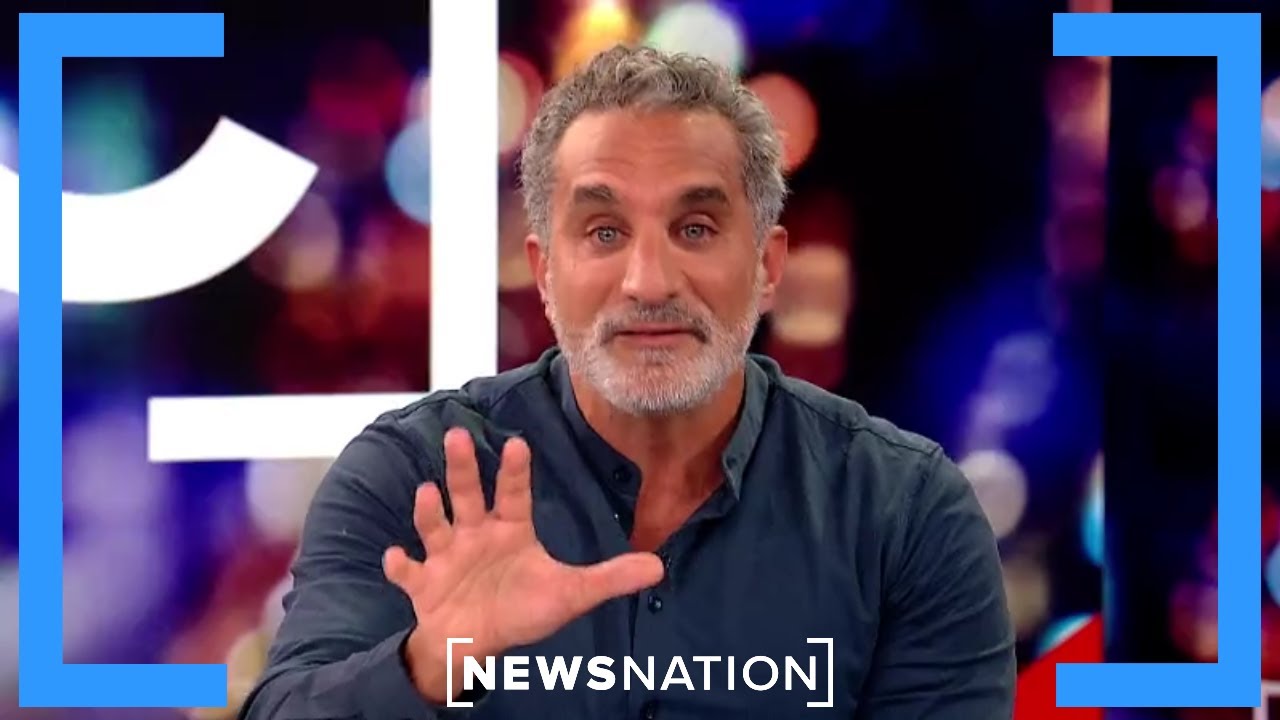
1. Bassem Youssef
Background: Egyptian comedian, former heart surgeon, political satirist, often compared to Jon Stewart. Known for bold critiques of authoritarian regimes and media narratives.
Stance: Strongly critical of U.S. media for its portrayal of the Israel-Gaza conflict, skeptical of U.S. political integrity regarding foreign policy, and adamant that mainstream media ignores facts even reported by Israeli sources.
🔎 Deconstructing Bassem Youssef’s Thought Process
1. Media Bias & Misinformation
Statement: “The American media refuses to report what Israeli media itself has confirmed.”
- Initial Thought: Israeli media has debunked several early war reports (e.g., beheaded babies, sexual violence claims).
- Inference 1: Yet U.S. media still pushes these narratives.
- Inference 2: This misinformation fuels emotional manipulation to justify ongoing violence.
- Inference 3: The press is more committed to pro-Israel framing than the truth.
- Concluded Point: Western media is complicit in war propaganda.
Objective Rebuttal:
- Misinformation is common in wartime, but verifying claims takes time.
- U.S. media does sometimes acknowledge inaccuracies but often too late.
- Not all reports were fabricated; some cases of atrocities were confirmed.
Prejudicial Device Used: Selective Framing – Highlighting only the cases where U.S. media got it wrong while ignoring instances where they reported accurately.
Philosophical Assumptions:
- Media should be neutral and purely factual.
- False information always serves an agenda.
2. Influence of Pro-Israel Lobbying in U.S. Politics
Statement: “APAC openly spends millions to control U.S. elections, yet this isn’t front-page news.”
- Initial Thought: Foreign influence on elections is a major concern.
- Inference 1: APAC has a 98% success rate in backing candidates.
- Inference 2: This influence affects U.S. foreign policy decisions.
- Inference 3: Unlike other lobbying groups, APAC’s power is rarely scrutinized by the media.
- Concluded Point: The U.S. government prioritizes Israeli interests over its own democracy.
Objective Rebuttal:
- Lobbying is legal and common in democracies.
- Pro-Israel influence is strong, but not all U.S. policies align with Israeli interests.
- Foreign lobbying exists across various nations, not just Israel.
Prejudicial Device Used: Loaded Language – Terms like “control” and “buying elections” imply undue influence without proving illegal activity.
Philosophical Assumptions:
- Political funding equates to direct policy control.
- American voters are powerless against lobbying influence.
3. The “Genocide” Debate & Proportionality
Statement: “If genocide is too strong, let’s just say ‘too much killing.’”
- Initial Thought: Some argue Israel is committing genocide.
- Inference 1: Critics dispute this claim, saying Israel isn’t trying to exterminate all Palestinians.
- Inference 2: However, tens of thousands of civilians have been killed.
- Inference 3: The intent debate misses the point – the reality is mass killings.
- Concluded Point: Call it what you want, but the death toll is unjustifiable.
Objective Rebuttal:
- The term “genocide” has a legal definition involving intent.
- Civilians dying in war is tragic but not always intentional extermination.
- Israel argues its military actions are against Hamas, not civilians.
Prejudicial Device Used: Emotional Appeal – Equating mass deaths to genocide without addressing legal intent.
Philosophical Assumptions:
- Civilian casualties always indicate deliberate intent.
- Labeling a conflict accurately is secondary to addressing the human suffering.
4. The “What Would America Do?” Argument
Statement: “America would have razed Gaza if Americans were taken hostage.”
- Initial Thought: The U.S. historically retaliates aggressively.
- Inference 1: Israel’s actions are similar to what the U.S. would do.
- Inference 2: Criticizing Israel while ignoring U.S. actions is hypocritical.
- Inference 3: If people accept U.S. wars, they should accept Israel’s.
- Concluded Point: Western outrage is selective and inconsistent.
Objective Rebuttal:
- Different conflicts have different geopolitical contexts.
- U.S. wars have also been widely criticized.
- Justifying violence by pointing to past violence doesn’t make it right.
Prejudicial Device Used: Tu Quoque Fallacy – Using America’s past behavior to excuse Israel’s actions rather than addressing them independently.
Philosophical Assumptions:
- Past actions set ethical precedents for the future.
- Nations must act in their own interest regardless of broader morality.
5. The “Fishbowl” Analogy: Gaza as an Open-Air Prison
Statement: “Israel controls a fishbowl, takes fish at will, and then cries when a fish bites its pinky.”
- Initial Thought: Gaza is completely controlled by Israel.
- Inference 1: Palestinians live under occupation with no real freedom.
- Inference 2: Resistance is inevitable when oppression persists.
- Inference 3: The world only notices Palestinian actions, not Israeli provocations.
- Concluded Point: The conflict is inevitable as long as oppression exists.
Objective Rebuttal:
- Israel withdrew from Gaza in 2005; Hamas governs it.
- Hamas’s actions, including attacks, also contribute to the cycle of violence.
- While oppression exists, nonviolent solutions remain underexplored.
Prejudicial Device Used: Oversimplification – Reducing a complex geopolitical issue to a single analogy.
Philosophical Assumptions:
- Violence is a natural response to oppression.
- Power imbalance means one side is always wrong.
📓 Glossary (For Layman Understanding)
- APAC – American Israel Public Affairs Committee, a major pro-Israel lobbying group.
- Genocide – The deliberate killing of a large group, especially of a particular ethnicity or nation.
- Hannibal Directive – Alleged Israeli military policy to prevent hostage situations by using overwhelming force.
- Framing – Presenting an issue in a way that influences perception.
- Lobbying – Advocacy efforts aimed at influencing political decisions.
- Propaganda – Biased or misleading information used to promote a political cause.
👀 Final Thoughts
Bassem Youssef provides a powerful critique of media bias, U.S. foreign policy, and Israel’s military actions. While many of his points are compelling, his arguments sometimes rely on emotional rhetoric and selective framing. A nuanced understanding requires acknowledging valid concerns while critically assessing all perspectives.
What are your thoughts? Comment below! 👇