🚀 Why Gary Brecka Changed His Mind on Keto, Fasting, and 3 Other Health Myths
⏳ TL;DR (Time Saved: 51 min)
Gary Brecka revisits and revises his stance on intermittent fasting, long-term keto, cold plunging, synthetic vitamins, and GMO foods based on the latest scientific research. His insights challenge outdated health trends and offer a more personalized, sustainable approach to optimizing metabolism, hormones, and longevity.
🌟 1️⃣ Intermittent Fasting: The Right Way to Do It Without Wrecking Your Hormones
• Old belief: Narrow eating windows (OMAD, 4-hour windows) were best for longevity.
• New belief: Overly restrictive fasting can be harmful, especially for women and people with high insulin sensitivity.
Key Reasons for the Shift:
✔️ Very short eating windows can cause hormonal imbalances, particularly for women during their cycle. 🔗
✔️ Fasting benefits those with insulin resistance, but it can slow metabolism in those with already low blood sugar. 🔗
✔️ Extreme fasting triggers starvation responses, reducing thyroid function and slowing metabolism. 🔗
What to Do Instead:
✔️ A daily 12-hour fast (e.g., 8 AM – 8 PM) works best for most people.
✔️ Occasional 3-day fasts are beneficial but should be spaced out.
✔️ Use data (glucose & hormone levels) to determine your ideal fasting window.
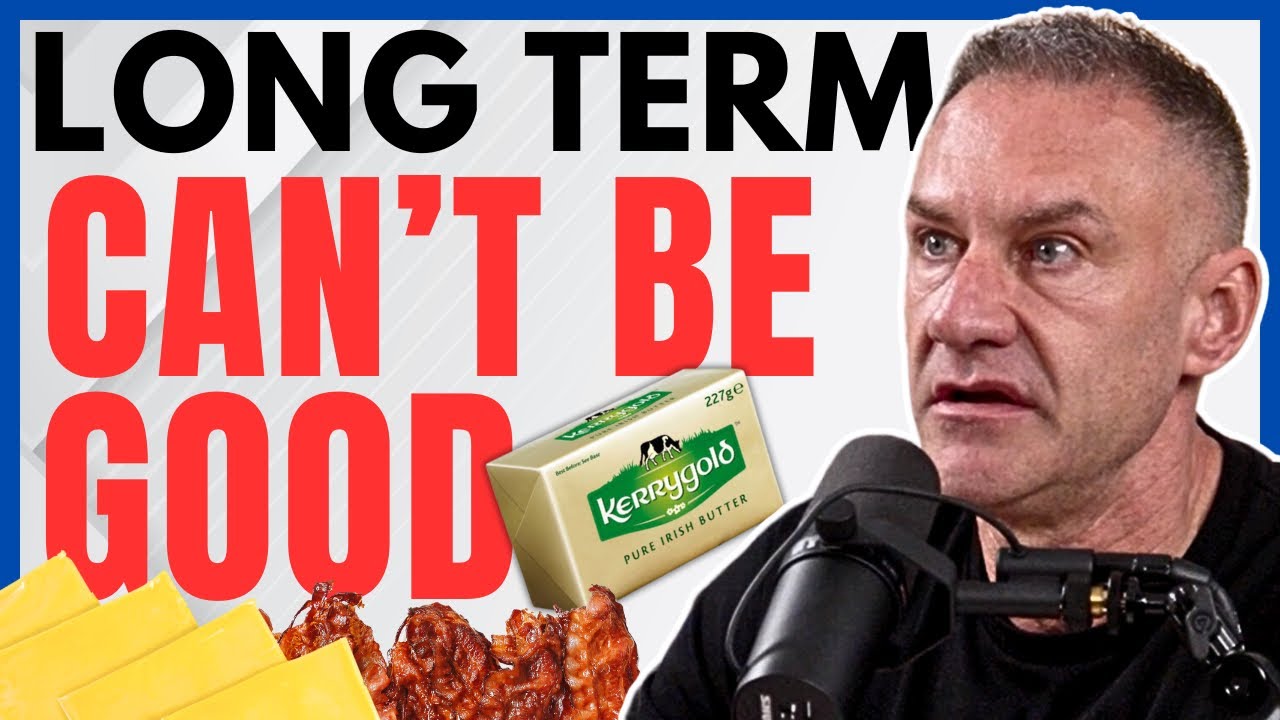
🥑 2️⃣ Long-Term Keto: Why It’s NOT the Best Forever Diet
• Old belief: Keto is the ultimate long-term diet since carbohydrates are not essential for survival.
• New belief: Extended keto can cause metabolic inefficiencies and long-term hormone imbalances.
What Changed His Mind?
✔️ Keto was originally developed for epilepsy, not weight loss. 🔗
✔️ Long-term keto affects mitochondria and can slow metabolic flexibility. 🔗
✔️ While keto improves triglycerides, staying on it too long may impact thyroid health. 🔗
What to Do Instead:
✔️ Use keto as a metabolic reset, not a permanent lifestyle.
✔️ Cycle in carbohydrates periodically to maintain insulin sensitivity.
✔️ Prioritize protein and essential fats instead of just cutting carbs.
❄️ 3️⃣ Cold Plunging: Why Timing Matters More Than Temperature
• Old belief: Ice baths should be done immediately after workouts to reduce soreness.
• New belief: Post-workout ice baths reduce muscle growth—pre-workout cold plunges are more effective.
The Key Discoveries:
✔️ Cold exposure right after training can disrupt recovery by stopping natural inflammation responses. 🔗
✔️ Cold plunging before workouts boosts focus, endurance, and energy. 🔗
✔️ The ideal range for cold exposure is 3-6 minutes at 48-50°F. 🔗
How to Use Cold Therapy the Right Way:
✔️ Plunge before workouts to boost performance.
✔️ If using post-workout, wait at least 45-90 minutes.
✔️ Stick to moderate cold exposure—more isn’t always better.
🧬 4️⃣ Synthetic Vitamins & Hidden Toxins: Why Micro-Dosing Poisons Matters
• Old belief: Small amounts of synthetic vitamins and environmental toxins are harmless.
• New belief: Even “safe” levels of toxins accumulate and cause long-term damage.
What Changed His View?
✔️ Synthetic B12 (cyanocobalamin) and folic acid are poorly absorbed and harmful for some people. 🔗
✔️ Repeated exposure to mercury, lead, and trace toxins builds up in the body. 🔗
✔️ Tap water contains contaminants that slowly accumulate, affecting health over time. 🔗
What to Do Instead:
✔️ Avoid synthetic vitamins (especially cyanocobalamin B12 & folic acid).
✔️ Use whole-food-based or methylated supplements.
✔️ Filter your water to reduce toxic exposure.
🌾 5️⃣ The Truth About GMO Foods: They Might Be Doing More Than You Think
• Old belief: GMO foods are generally safe and well-regulated.
• New belief: GMO crops increase exposure to pesticides, disrupt gut health, and may contribute to antibiotic resistance.
What Made Him Rethink This?
✔️ GMO crops allow for higher pesticide use, increasing toxic exposure. 🔗
✔️ Animal studies show significant long-term health risks from GMO foods. 🔗
✔️ Overuse of antibiotics in food and medicine is leading to serious health risks. 🔗
How to Make Safer Choices:
✔️ Choose organic and non-GMO whenever possible.
✔️ Look out for deceptive food labeling like “fortified” and “enriched.”
✔️ Limit unnecessary antibiotic use to preserve gut health.
🏆 Better Choices for Long-Term Health
1. Methylated Multivitamins – Skip synthetic B12 & folic acid for better absorption.
2. Cold Therapy Equipment – Optimize performance and metabolism with the right approach to ice baths.
3. Organic, Non-GMO Food Subscription – Avoid pesticides, additives, and synthetic nutrients in your food.
What’s the Takeaway?
It’s easy to get stuck in a health routine that worked for a while but might not be optimal anymore. The key is staying open to new research, adapting based on data, and making decisions based on your body’s needs.
That’s what makes health an ongoing journey—not a one-size-fits-all formula.