🍷 Should You Stop Drinking Alcohol?
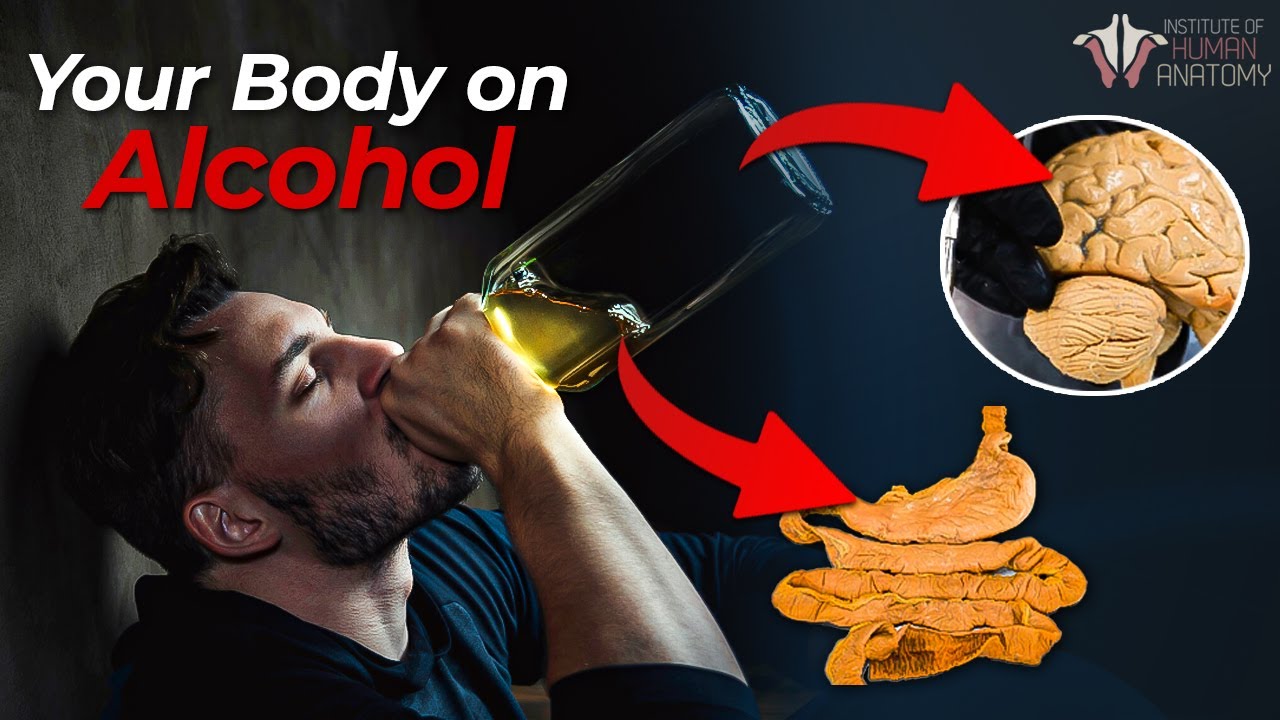
1. 🧐 What Does Alcohol Do to Your Body?
Point: Alcohol negatively impacts multiple organs, including the liver, brain, and stomach.
Principle: The human body must work to metabolize and remove alcohol, but excessive consumption can lead to damage.
Inference: Islam prohibits alcohol for a reason—it is harmful to both physical and spiritual well-being.
2. 🍹 How Alcohol is Absorbed
Point: Alcohol is quickly absorbed into the bloodstream, affecting the body almost immediately.
Principle: An empty stomach leads to faster absorption, increasing intoxication risk.
Inference: The Quran forbids intoxicants as they cloud judgment and impair decision-making.
3. 🏭 The Liver’s Role in Alcohol Metabolism
Point: The liver converts alcohol into acetaldehyde, a toxic compound.
Principle: Over time, alcohol damages liver cells, leading to long-term diseases.
Inference: Islam’s prohibition of alcohol helps protect one’s health from avoidable liver damage.
4. 🧠 How Alcohol Affects the Brain
Point: Alcohol impairs reasoning, memory, and motor coordination.
Principle: Intoxication leads to poor judgment and reckless behavior.
Inference: Islamic teachings emphasize maintaining a clear mind for worship and responsible living.
5. 🚽 Why Alcohol Makes You Pee More
Point: Alcohol inhibits a hormone that regulates hydration, causing dehydration.
Principle: Dehydration contributes to hangovers and organ strain.
Inference: The Quran’s prohibition prevents these unnecessary health risks.
6. ⚠️ The Danger of Alcohol Poisoning
Point: Excessive drinking can suppress the brainstem, leading to respiratory failure.
Principle: Alcohol poisoning is life-threatening and unpredictable.
Inference: Islam’s complete ban eliminates the risk of alcohol-related deaths.
7. 🔥 How Chronic Drinking Damages the Liver
Point: Alcohol can cause liver cirrhosis, failure, and cancer.
Principle: The body has limited ability to process toxins, and excessive alcohol destroys vital organs.
Inference: Islam’s prohibition protects from painful, life-shortening illnesses.
8. 🧬 Why Some People Get Drunk Faster
Point: Genetic differences affect how alcohol is processed.
Principle: Some people have a lower tolerance, making alcohol even more dangerous.
Inference: A universal ban on alcohol in Islam removes individual risks and uncertainty.
9. 🍻 What is Considered a Safe Amount?
Point: Health guidelines suggest limits, but even small amounts have risks.
Principle: Any amount of alcohol carries potential harm.
Inference: Islam’s complete prohibition eliminates gray areas and ensures better health.
10. 🕋 The Islamic Perspective on Alcohol
Point: The Quran explicitly forbids alcohol in multiple verses.
Principle: “O you who have believed, indeed, intoxicants… are but defilement from the work of Satan, so avoid it that you may be successful.” (Quran 5:90)
Inference: Islamic teachings align with modern science in identifying alcohol as harmful.
💡 Final Thoughts & Islamic Wisdom
- 📌 Alcohol is proven to harm the body and mind, confirming why Islam forbids it.
- 📌 Scientific research aligns with the Quran’s guidance on avoiding intoxicants.
- 📌 Those who follow Islamic teachings protect themselves from disease, addiction, and poor decision-making.
- 📌 Islam’s wisdom ensures a healthier, more disciplined, and spiritually fulfilling life.