
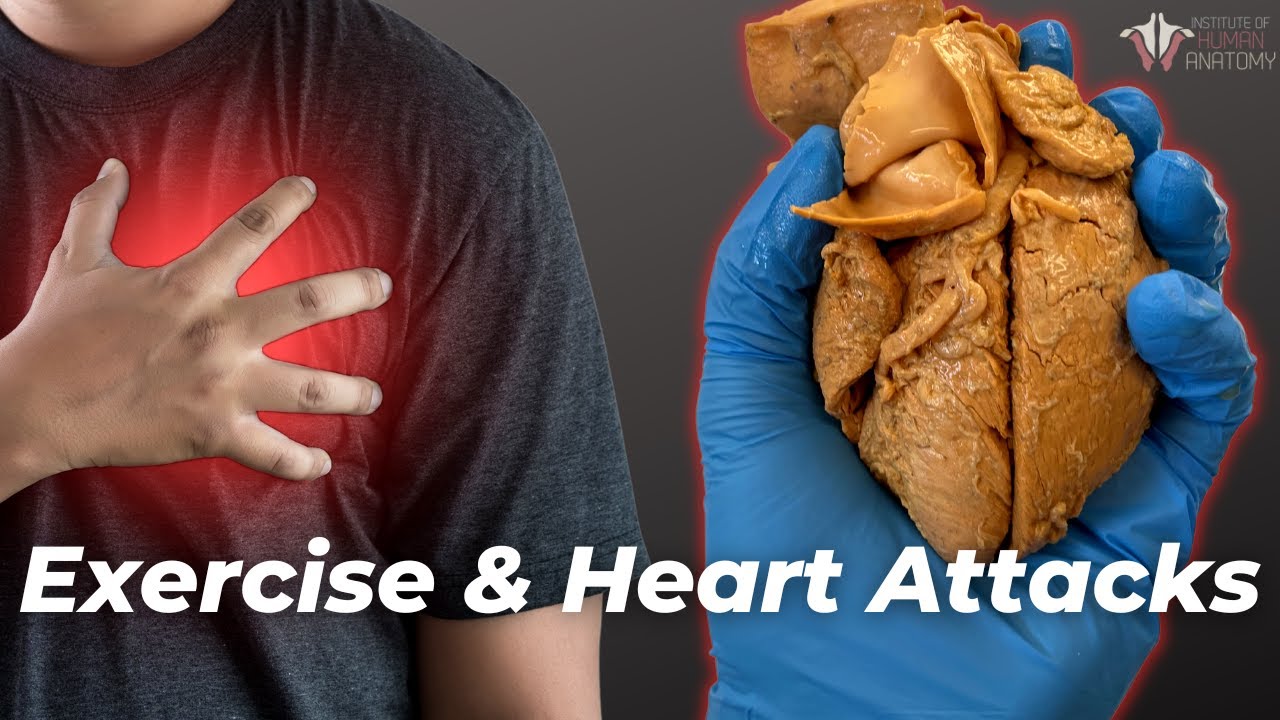
❤️ Can Exercise Prevent Heart Attacks?
1. 🚨 The Reality of Heart Attacks
Point: Heart attacks are a common and serious medical condition, even affecting fit individuals.
Principle: Regular exercise reduces risk, but it does not make a person immune to heart disease.
Inference: Understanding the causes of heart attacks helps individuals take preventive action.
2. 🫀 How a Heart Attack Happens
Point: A heart attack occurs when blood flow to the heart is blocked.
Principle: The heart muscle (myocardium) needs constant oxygen-rich blood to function properly.
Inference: Blockages in coronary arteries lead to heart muscle damage, causing a heart attack.
3. ⚠️ Atherosclerosis: The Silent Killer
Point: Heart attacks are usually caused by atherosclerosis, a buildup of plaque in the arteries.
Principle: Plaque narrows arteries over time, reducing blood flow and increasing heart attack risk.
Inference: Atherosclerosis often develops silently, making regular health check-ups essential.
4. 🔄 The Process of Plaque Rupture
Point: Heart attacks often occur when a plaque in an artery ruptures, triggering a blood clot.
Principle: This clot can rapidly block the artery, stopping blood flow to the heart.
Inference: Reducing plaque buildup and preventing rupture is key to heart attack prevention.
5. 🚶♂️ Can Exercise Reduce Heart Attack Risk?
Point: Cardiovascular exercise strengthens the heart and improves circulation.
Principle: Regular exercise reduces blood pressure, improves cholesterol, and lowers inflammation.
Inference: A physically active lifestyle significantly lowers heart attack risk.
6. 🏋️ Strength Training & Heart Health
Point: Strength training also benefits heart health by improving metabolism and reducing fat accumulation.
Principle: Combining strength and cardiovascular exercise creates the best protection against heart disease.
Inference: A balanced fitness routine maximizes heart health benefits.
7. 🏥 Heart Attack Symptoms & Emergency Response
Point: Symptoms include chest pain, shortness of breath, sweating, and nausea.
Principle: Early recognition and rapid medical intervention save lives.
Inference: Knowing the signs of a heart attack can help individuals act quickly and prevent fatal outcomes.
8. 🏃♂️ Can You Return to Exercise After a Heart Attack?
Point: Many people recover from heart attacks and return to physical activity, including marathons.
Principle: Cardiac rehabilitation and supervised exercise help restore heart function safely.
Inference: Lifestyle changes and exercise can improve post-heart attack recovery.
9. 🍎 The Role of Diet in Heart Health
Point: A heart-healthy diet lowers cholesterol, reduces inflammation, and supports overall cardiovascular function.
Principle: Whole foods, lean proteins, and healthy fats improve heart health.
Inference: Proper nutrition is just as important as exercise in preventing heart attacks.
10. 🩺 The Importance of Regular Checkups
Point: Routine health screenings help detect early signs of cardiovascular disease.
Principle: Monitoring cholesterol, blood pressure, and blood sugar levels allows for early intervention.
Inference: Even fit individuals should get regular medical checkups to assess heart health.
11. 🏆 The Best Approach to Heart Attack Prevention
Point: A combination of exercise, diet, and regular health checkups significantly reduces heart attack risk.
Principle: Lifestyle modifications are the most effective long-term strategy for heart health.
Inference: Prevention is always better than treatment when it comes to cardiovascular disease.
💡 Final Thoughts & Knowledge Gaps
- 📌 Exercise strengthens the heart and reduces heart attack risk.
- 📌 Atherosclerosis is a silent condition, making early detection crucial.
- 📌 Heart attacks can occur even in fit individuals, emphasizing the need for regular checkups.
- 📌 A healthy diet, stress management, and medical screenings all contribute to cardiovascular health.