
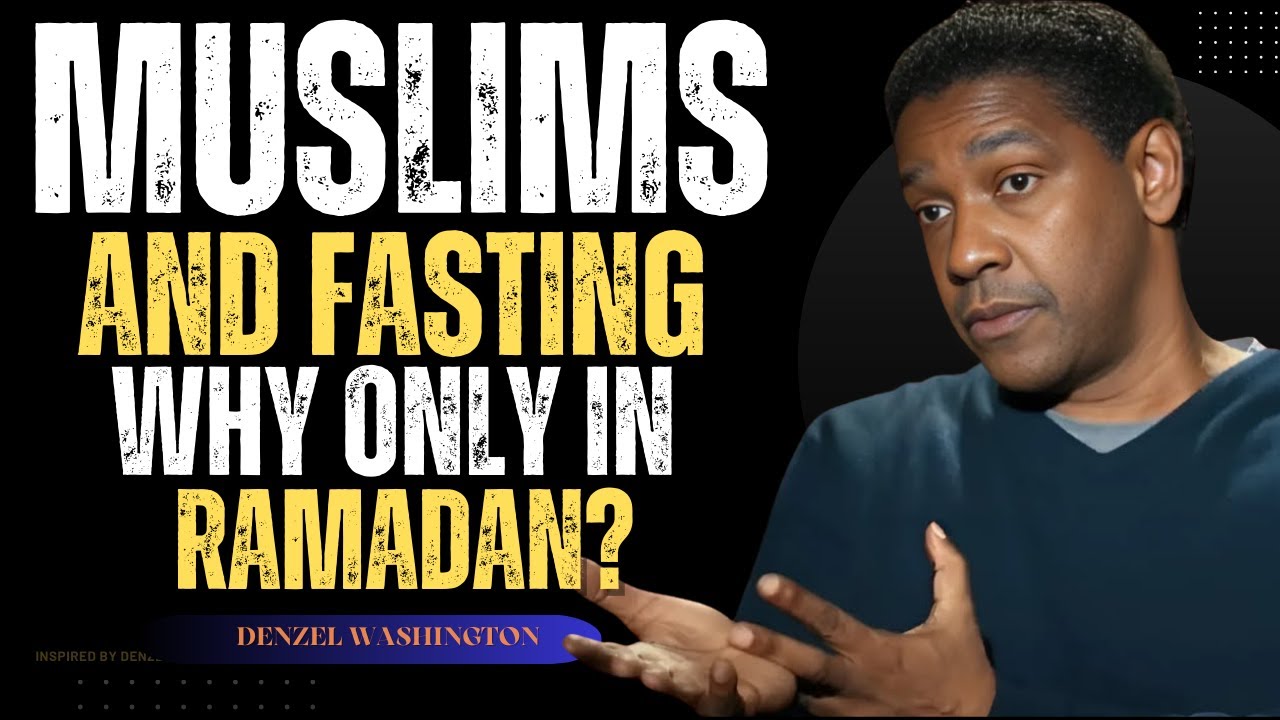
Beyond Ramadan: The Timeless Purpose of Fasting 🕌🌙
Key Hyperlink Timestamps for Reference
1. Why Muslims Fast Only in Ramadan? – The deeper purpose behind fasting.
2. Fasting Beyond Ramadan – Why Islam encourages fasting throughout the year.
3. The Prophet’s Regular Fasting – The practice of fasting on Mondays and Thursdays.
4. Special Occasions for Fasting – Ashura, Arafah, and other significant fasting days.
5. Fasting as a Tool for Self-Control – The importance of discipline beyond Ramadan.
6. Spiritual and Physical Benefits – The mental and physical advantages of fasting.
7. The Universal Nature of Fasting – How fasting is practiced in other religions.
8. The Challenge of Instant Gratification – How fasting helps combat modern distractions.
9. Fasting as a Lifelong Habit – Why voluntary fasting strengthens faith.
10. Spiritual Consistency Beyond Ramadan – Carrying the lessons of Ramadan into everyday life.
11 Intelligent Points & Logical Inferences 🤔📌
1. Ramadan is Training for Life, Not Just a Ritual 🏋️♂️🔄
• Inference: Fasting is a preparatory exercise meant to instill lifelong habits of discipline, patience, and spirituality.
• How We Arrived Here:
• Ramadan enforces self-control over food, desires, and emotions.
• The goal is not just to fast for a month but to internalize its principles.
• The video questions why fasting discipline fades after Ramadan, emphasizing that fasting should continue beyond it.
2. Islam Encourages Fasting Beyond Ramadan 📆💡
• Inference: Fasting is a continuous act of worship, not limited to one month.
• How We Arrived Here:
• The Prophet Muhammad fasted on Mondays and Thursdays as a way of maintaining self-discipline.
• The Islamic calendar includes multiple significant fasting days like Ashura and Arafah, demonstrating that fasting is a year-round practice.
3. Fasting is a Tool for Self-Mastery 🔑🧠
• Inference: By controlling basic desires, fasting empowers individuals to regulate other aspects of life.
• How We Arrived Here:
• Fasting teaches restraint from food, impulses, and negative habits.
• This control extends into resisting temptations like overconsumption and unhealthy habits.
• The discipline of fasting is emphasized as a lifelong endeavor, not just a seasonal obligation.
4. The Psychological Benefits of Fasting 🧘♂️📈
• Inference: Fasting sharpens mental clarity, builds willpower, and enhances focus.
• How We Arrived Here:
• Science supports fasting’s role in improving cognitive function and self-control.
• The video explains how fasting nurtures humility and gratitude, helping individuals detach from material excess.
5. Fasting Builds Gratitude Through Deprivation 🙏🍞
• Inference: Experiencing hunger fosters a deeper appreciation for sustenance.
• How We Arrived Here:
• People tend to take basic blessings like food and water for granted.
• Fasting creates a renewed sense of gratitude for everyday blessings.
• This perspective shift extends beyond Ramadan, making believers more mindful and thankful year-round.
6. Fasting Unites Spirituality Across Religions ✡️✝️🕉️☸️
• Inference: The concept of fasting is a universal spiritual discipline, not exclusive to Islam.
• How We Arrived Here:
• Christianity, Judaism, Hinduism, and Buddhism all practice fasting as a form of purification and devotion.
• The video discusses how Jesus, Hindu monks, and Buddhists used fasting for spiritual elevation.
• This suggests that fasting is a deeply ingrained human experience beyond religious boundaries.
7. Fasting Combats the Modern Culture of Instant Gratification 📵⌛
• Inference: The ability to delay gratification is a skill being lost in today’s world.
• How We Arrived Here:
• Society is conditioned to expect instant rewards in all aspects of life.
• Fasting disrupts this cycle, teaching patience and resilience.
• The practice encourages resisting immediate pleasure for a greater, long-term purpose.
8. The Spiritual Benefits of Voluntary Fasting 🌿🔮
• Inference: Fasting outside of Ramadan strengthens sincerity in worship.
• How We Arrived Here:
• Unlike Ramadan, where everyone is fasting, voluntary fasting is a personal commitment to faith.
• The video emphasizes that fasting outside Ramadan is an act of private devotion.
• This fosters a stronger connection to spirituality beyond communal influence.
9. Fasting Reinforces Emotional and Mental Strength 💪🛑
• Inference: Controlling physical urges translates into controlling emotional reactions.
• How We Arrived Here:
• Fasting builds endurance against discomfort, making individuals more resilient.
• The patience developed through fasting helps in managing real-life struggles.
• Those who practice fasting are more equipped to handle stress, hardship, and negative emotions.
10. The Long-Term Vision of Fasting: A Life of Discipline 🛤️⚖️
• Inference: The success of fasting is not measured by one month of abstinence but by lifelong consistency.
• How We Arrived Here:
• The Prophet Muhammad emphasized consistent small acts of worship over grand gestures.
• The challenge is to continue the discipline of Ramadan throughout the year and not let it fade.
11. True Freedom Comes from Self-Control 🔄🚀
• Inference: A person who masters their desires gains control over their life.
• How We Arrived Here:
• Modern society equates freedom with unlimited indulgence, but true freedom is the ability to say “no.”
• The video argues that discipline, not indulgence, leads to real fulfillment.
• The strength to fast proves that one is not controlled by their impulses but by their will.
Final Takeaway – Fasting is a Life Philosophy, Not a Temporary Restriction ⚡💡
The message of the video is clear: fasting is not meant to be an isolated act but an ongoing practice that shapes a person’s character, discipline, and spirituality. 🌍💫
✔ Fasting is a training ground for life.
✔ It teaches self-mastery, patience, and gratitude.
✔ It is a tool for spiritual elevation and emotional resilience.
✔ It transcends religion and is a universal human experience.
Carrying the discipline of Ramadan into the rest of the year is the true measure of success. 💯


