
The Silent Reset: How 10 Minutes of Stillness Rewires Your Brain, Restores Your Soul & Reclaims Your Dopamine
1a. Rest Beyond Sleep: The Power of Lying Still
📝 The Point:
• In a world obsessed with hustle and noise, Non-Sleep Deep Rest (NSDR) reminds us that profound restoration begins with stillness.
• NSDR is not sleep, not meditation, not hypnosis—it’s the deliberate act of resting your body and mind without completely shutting down.
• This protocol flips our assumptions: you don’t need a bed to reset your brain—you just need to pause, breathe, and be.
⚖️ The Law:
• Stillness can be more rejuvenating than sleep when intentional.
• Productivity isn’t about doing more—but recovering smarter.
• The nervous system can recalibrate in minutes—if we give it permission.
🔮 And So:
• We’ve been trying to heal our exhaustion with more sleep, but maybe we needed more presence.
• Stillness is not idleness—it’s sacred maintenance.
• Even in a racing world, we can slow down and come out ahead.
What if the reason we’re tired isn’t lack of sleep—but lack of surrender?
1b. Yoga Nidra: Ancient Roots, Modern Needs
📝 The Point:
• Yoga Nidra, a centuries-old practice, is the origin of NSDR—it invites you to lie still, breathe deeply, and stay alert in relaxation.
• It teaches your body to simulate sleep while your mind remains in a conscious, restorative zone.
• The contradiction? You’re not sleeping—but your body thinks you are.
⚖️ The Law:
• Ancient wisdom often precedes scientific validation.
• Relaxation doesn’t require unconsciousness—it requires intention.
• Healing can happen without movement or medication.
🔮 And So:
• What we’ve dismissed as “woo” may be the science of tomorrow.
• The body understands presence even when the mind hesitates.
• Revisiting ancient practices may hold the keys to healing modern burnout.
Are we so addicted to effort that we’ve forgotten how to simply receive rest?
1c. The 60% Dopamine Surge: What Stillness Does to the Brain
📝 The Point:
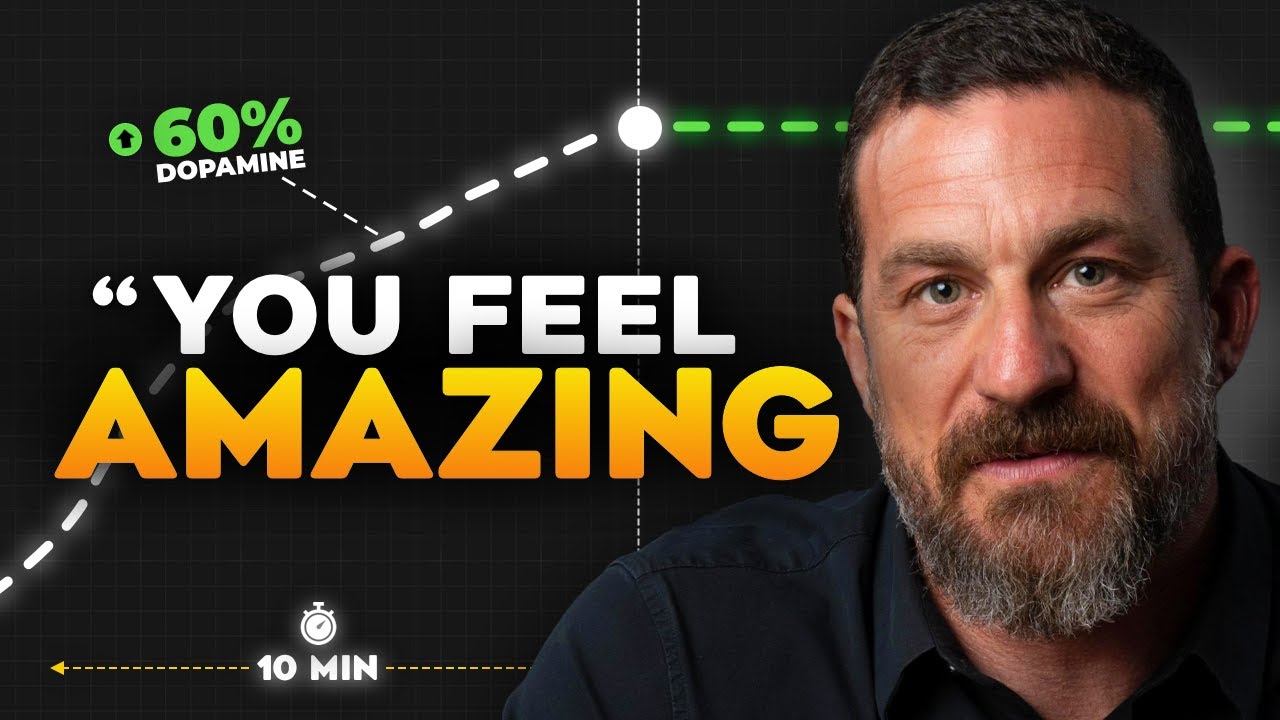
• A Danish study found Yoga Nidra increases dopamine by 60% in the brain’s reward and movement centers.
• That’s not just relaxation—it’s biochemical alchemy.
• NSDR triggers a surge of feel-good, drive-enhancing neurotransmitters just by lying still.
⚖️ The Law:
• Dopamine isn’t just pleasure—it’s motivation, drive, and healing.
• Neurochemical restoration doesn’t require stimulation—it thrives on regulation.
• Reward pathways can be refueled without digital, chemical, or food-based triggers.
🔮 And So:
• The brain’s recovery mechanisms are more powerful than we thought—and more natural.
• We’re chasing dopamine through stress, when stillness could flood us with it.
• NSDR isn’t just rest—it’s neurochemical recalibration.
How many of our addictions are just poor substitutes for the body’s own medicine?
1d. NSDR vs. Meditation vs. Hypnosis: Knowing the Difference
📝 The Point:
• Meditation is about focus. Hypnosis is about targeted transformation. NSDR is about letting go.
• Unlike meditation, which activates focus circuits, NSDR downshifts the brain into sensory being.
• The paradox: doing nothing activates something powerful inside.
⚖️ The Law:
• Different states of rest create different outcomes.
• Letting go is not laziness—it’s neurological necessity.
• Not all stillness is created equal—intent shapes effect.
🔮 And So:
• We need a diverse toolbox for mental clarity—NSDR fills a gap meditation can’t.
• Stillness is not a one-size-fits-all solution.
• Understanding the nuances of rest empowers deeper healing.
Are we trying to solve all mental exhaustion with one tool when we need a full spectrum?
1e. The Anticipation Trap: How Goal-Directed Living Drains Us
📝 The Point:
• Constant goal-chasing—even subconscious—depletes our dopamine reserves.
• NSDR frees the mind from this treadmill, allowing the body to “refill” its joy tank.
• The contradiction? We’re exhausted not from doing too much—but from thinking about doing too much.
⚖️ The Law:
• Mental depletion is often invisible.
• Recovery requires stepping out of the reward loop.
• Dopamine is spent more in planning than in action.
🔮 And So:
• Our burnout isn’t physical—it’s anticipatory.
• NSDR teaches us to turn off the mental projector.
• Sometimes the most revolutionary act is not chasing the next thing.
How much energy are we losing to the things we haven’t even done yet?
1f. From Subjective to Scientific: Tracking Transformation
📝 The Point:
• Huberman began studying NSDR after his own transformation—then began stripping it down to a “minimum effective dose.”
• Even 10 minutes showed measurable benefits, sparking collaborations with neuroscientists like Dr. Matthew Walker.
• The bridge from personal experience to clinical inquiry is being built.
⚖️ The Law:
• Anecdote ignites curiosity—science builds proof.
• What’s real is sometimes felt before it’s measured.
• Subjective impact deserves objective investigation.
🔮 And So:
• Your experiences matter—even before peer-reviewed data validates them.
• Science starts with questions born from lived moments.
• Healing doesn’t wait for consensus—it begins in awareness.
Can something be real before it’s proven—or is proof just a formality when healing is felt?
1g. The Minimum Effective Dose: 10 Minutes to Reset Your System
📝 The Point:
• Huberman distilled the full Yoga Nidra session into a 10-minute NSDR protocol that fits into anyone’s schedule.
• Even this short window leads to noticeable improvements in energy, calm, and clarity.
• It proves that transformation doesn’t always demand time—it demands intention.
⚖️ The Law:
• Consistency over duration builds lasting change.
• Even minutes can matter when applied with purpose.
• The brain responds to deliberate pauses—not just long ones.
🔮 And So:
• Healing is available in slivers of your day.
• You don’t need a retreat—you need a reset.
• The lie is that rest must be earned—it’s already yours.
How often do we dismiss healing simply because it doesn’t take long enough to feel deserved?
1h. NSDR for Insomnia: Rewiring the Sleep-Struggle Brain
📝 The Point:
• NSDR is not just recovery—it’s retraining. It teaches your nervous system how to slow down, especially helpful for insomniacs.
• Unlike meditation, which hones focus, NSDR softens it—ideal for drifting into sleep.
• Sleep issues often stem from an overactive brain—not a tired one.
⚖️ The Law:
• You can’t fight sleep—you have to invite it.
• Calm is teachable.
• Your brain can be your partner in peace or your prison—training makes the difference.
🔮 And So:
• Learning to relax might be the real cure for sleeplessness.
• NSDR is less about unconsciousness and more about permission.
• The stiller the mind, the more seamless the sleep.
Are we trying to force sleep with intensity instead of learning to relax with grace?
1i. Moving from “Doing” to “Being”
📝 The Point:
• NSDR takes you from planning, worrying, and replaying… to simply existing.
• This isn’t just spiritual fluff—it’s sensory reorientation.
• It reminds us that we are more than our to-do lists.
⚖️ The Law:
• Being present starts with the body—not the mind.
• Sensation anchors awareness.
• You can’t feel your way into the future—but you can feel your way into peace.
🔮 And So:
• Presence is power disguised as softness.
• You’re more effective when you’re more embodied.
• Sensing replaces striving—and in that, we begin to heal.
When did we stop feeling alive—and start merely surviving through our thoughts?
1j. The Real Addiction: Always Anticipating What’s Next
📝 The Point:
• Even our unconscious thoughts are goal-oriented—always pushing for what’s next.
• This constant anticipation burns through our dopamine stores.
• NSDR unplugs us from the matrix of “what’s next?” and brings us into the now.
⚖️ The Law:
• You don’t need to earn rest—you need to unlearn hyper-alertness.
• Modern stress is often cognitive, not physical.
• Presence is not passive—it’s protective.
🔮 And So:
• We’ve made productivity a drug and rest a guilty pleasure.
• Every scroll, plan, or worry is draining your reserves.
• NSDR recharges you because it returns you to stillness.
What’s the emotional cost of never arriving in the present moment?
1k. The Daily Ritual of Reset: Huberman’s Personal Use
📝 The Point:
• Huberman uses NSDR daily—even just 10 minutes—to reset, recover, and realign.
• It’s a ritual, not a rescue.
• The effect? He—and many others—emerge from those sessions feeling renewed, focused, and more themselves.
⚖️ The Law:
• Small rituals yield great resilience.
• Well-being is built in moments, not milestones.
• Repetition refines the nervous system’s capacity to heal.
🔮 And So:
• This isn’t just science—it’s sanity maintenance.
• Even the most brilliant minds need time to rest from thinking.
• If he’s doing it daily… why aren’t we?
What version of yourself is waiting at the end of 10 quiet minutes?
Glossary
• NSDR (Non-Sleep Deep Rest): A protocol involving stillness, long exhales, and body scans to reduce stress and mimic restorative sleep.
• Yoga Nidra: Ancient practice of “yogic sleep” where one enters deep rest without losing consciousness.
• Dopamine: A neurotransmitter linked to motivation, reward, and mood regulation.
• Striatum: Brain region involved in motor control and part of the reward circuitry.
• Sympathetic Arousal: A heightened alert state; NSDR reduces this to calm the nervous system.
• Anticipatory Stress: Mental tension caused by constantly planning, worrying, or preparing for future events.