Trump’s Crackdown on Dissent: Free Speech, Fear Politics, and the War on Thought
Time Interval: 00:00 – 10:32
✍️ Writers and Respondents
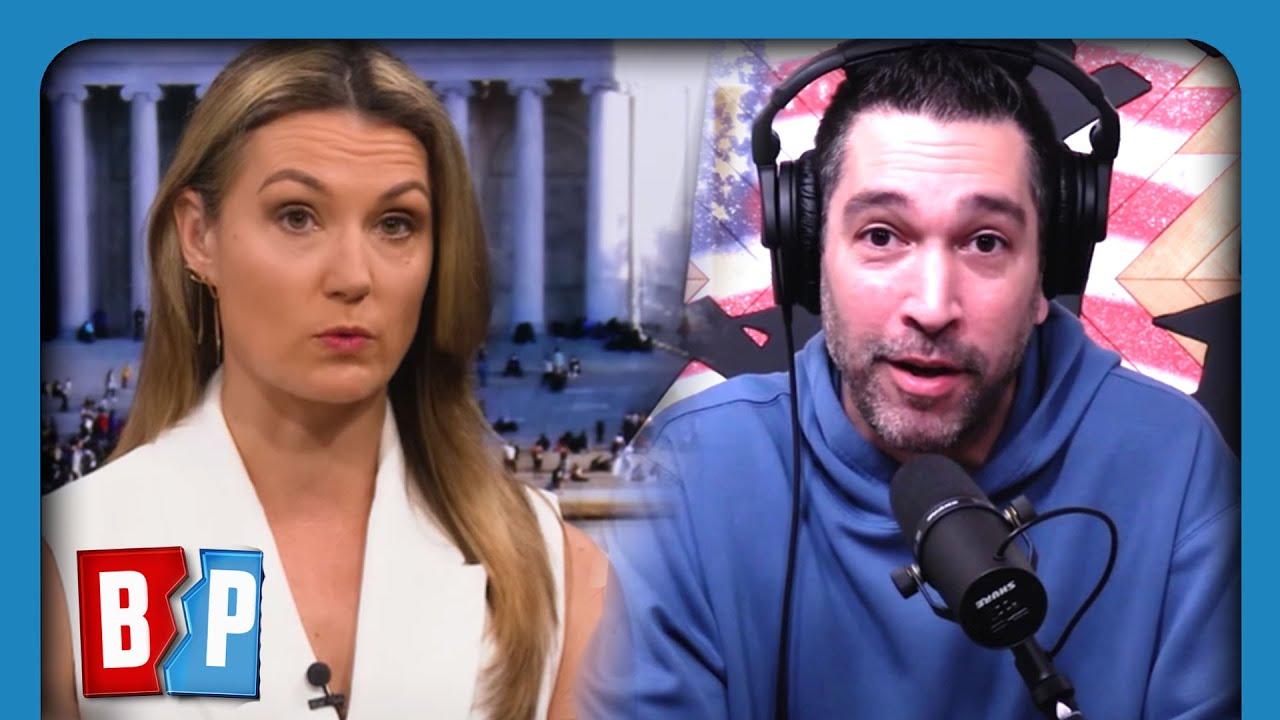
Dave Smith – Libertarian political commentator and comedian, known for his sharp critiques of U.S. foreign policy and civil liberties violations. Breaking Points Hosts (likely Krystal Ball and Saagar Enjeti) – Journalists running an independent political commentary show, known for analyzing politics from anti-establishment left-right perspectives. Mosen Madawi – Palestinian student at Columbia University, detained for protesting U.S. foreign policy, wrongly portrayed as “terrorist-sympathetic.” Unnamed Student Protesters & Academics – Represent the broader dissenting voices on college campuses being penalized under a Trump-led political climate.
1A. Hyper-criminalizing Dissent to Justify Oppression
📝 The Point:
The Trump administration, once self-declared defenders of free speech, is now wielding government power to silence student protestors, labeling them as terrorist sympathizers—a disturbing contradiction. A Columbia University student, Mosen Madawi, was detained by immigration officials despite voicing peaceful, rational opposition to violence and bigotry—his integrity weaponized against him. Trump’s use of terms like “pro-Palestine” and “anti-Israel” becomes an umbrella to criminalize moral, academic critique and political thought.
⚖️ The Law:
Freedom of Expression – The First Amendment (a rule in the U.S. Constitution protecting people’s right to speak freely) must apply even to unpopular views or dissent. Presumption of Innocence – Citizens and residents must not be labeled or treated as terrorists without due process (fair legal procedures). Proportional Government Response – Enforcement actions must be rational, not politically motivated to suppress lawful protest.
🔮 And So:
The arbitrary punishment of dissenters leads to the erosion of trust in democratic institutions. Treating moral protest as criminal undermines the legitimacy of national security claims. If opinion becomes criminal, everyone becomes vulnerable to ideological prosecution.
“What happens to democracy when opposing thought is equated with terrorism, and who decides what counts as ‘dangerous’ speech?”
1B. Deportation as Political Weapon
📝 The Point:
Trump’s immigration stance flips from border control to punishing political views, a shift that exposes deeper authoritarian instincts. Instead of focusing deportation on genuine security threats, it targets eloquent, peaceful advocates of Palestinian freedom. Even legal residents are no longer safe if their views deviate from the state’s narrative.
⚖️ The Law:
Equal Protection Clause – The law must treat all residents fairly regardless of political belief. Non-Retroactive Justice – You can’t be punished today for something that wasn’t a crime yesterday. Due Process Rights – Legal residents cannot be deported without transparent, fair hearings.
🔮 And So:
This politicization risks setting a precedent that ideological alignment matters more than legality. The government becomes both judge and jury in thought crimes. Ordinary people will self-censor to avoid being “the next target.”
“If legality is no longer the shield of the innocent, then what protects our right to think freely?”
1C. Demonization of Protest Under False Banners
📝 The Point:
A single rogue individual yelled anti-Jewish slurs during a protest—yet the entire protest was framed as antisemitic by critics. Madawi and fellow students immediately disavowed him, highlighting the protest’s moral clarity, not hatred. Media and state focus on outlier behavior distorts the intent and message of peaceful protest.
⚖️ The Law:
Guilt by Association – Unjustly holding people responsible for others’ actions is legally and ethically flawed. Intent Matters – The purpose of a protest is crucial in determining its character. Protest Rights – Peaceful assembly is a protected civil liberty.
🔮 And So:
Isolated incidents are magnified to delegitimize genuine causes. The state exploits fear to divide communities and fracture solidarity. Truth gets buried under manipulated narratives.
“Can justice exist when one bad actor defines an entire movement in the eyes of power?”
1D. Post-9/11 Legacy: The Return of Labeling and Fear
📝 The Point:
Trump revives the worst post-9/11 tactics—label someone a “terrorist,” and instantly strip them of constitutional protections. Dave Smith likens this to creating a loophole where fear suspends critical thinking. The political cost? It shuts down dialogue and fuels blind allegiance.
⚖️ The Law:
Bill of Rights – Safeguards like free speech and fair trial are absolute, not conditional. No Vague Labels – Laws must be precise; terrorism can’t be a catch-all accusation. Checks on Power – Leaders can’t unilaterally decide who’s an enemy of the state.
🔮 And So:
A dangerous narrative is normalized: “Disagree and be exiled.” This emboldens future leaders to silence dissent in other contexts. The public grows numb, allowing moral shortcuts for safety.
“At what point do safety measures become weapons against our freedom, and who then will protect us from the protectors?”
🧠 Glossary
Dissent: Disagreeing with those in power. Due Process: Legal fairness—being treated justly by courts. Antisemitism: Hostility or discrimination against Jewish people. Proxy War: A war where major powers support others to fight on their behalf. Constitutional Protections: Legal rights granted by the U.S. Constitution. Non-Interventionist: A person who believes a country should avoid getting involved in foreign conflicts.


