
Unveiling Middle East Realities: Radical Islam, US Foreign Policy, and Israeli Expansion
Key Insights on Radical Islam and US Involvement
- Radical Islam’s Expansionist Agenda
Radical Islam is not content with controlling isolated regions like parts of Iraq or Syria; it aims to expand and control more territories and populations, driven by revolutionary motives (00:00:10) - US Support for Extremist Groups
The United States has a history of arming and funding radical Islamist groups when it suits strategic interests, particularly to counter regimes like Bashar al-Assad’s in Syria (00:01:00) - Al-Qaeda’s Complex Role
Figures once targeted by the US, such as Muhammad Al Galani, have been indirectly supported or rehabilitated for geopolitical reasons, blurring the lines between enemies and allies (00:01:30) - Political Hypocrisy in Fearmongering
Politicians like Marco Rubio publicly warn about radical Islam’s threat while simultaneously engaging with or legitimizing former extremists for political gain (00:02:00)
US and Saudi Arabia: The Controversial Alliance
- Support for Controversial Leaders
The US administration under Trump maintained close ties with Saudi Crown Prince Mohammed bin Salman, despite credible intelligence linking him to the assassination of journalist Jamal Khashoggi (00:03:00) - Economic Interests Over Ethics
Financial ties, including investments linked to Trump’s family, influenced the US’s lenient stance toward Saudi Arabia’s human rights abuses (00:03:30)
Israel’s Role in Middle East Conflicts and Land Expansion
- Israeli Land Annexation and Settler Violence
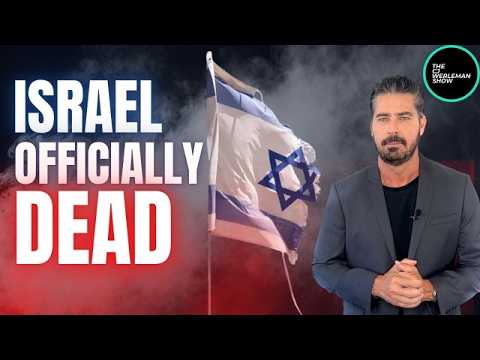
Israel is actively annexing land from Syria, Gaza, the West Bank, and Lebanon, often displacing Palestinian families through settler violence, exemplified by individuals like Moshe Shvit (00:04:00) - US Funding and Military Support for Israel
The US provides Israel with weapons and financial aid, enabling these expansionist policies and military actions (00:04:30) - Israel’s Use of Proxy Groups
Israel has funded militant groups within Gaza, such as the Popular Forces led by Abu Shabbab, to destabilize Palestinian factions and justify military actions against Hamas (00:05:00) - Historical Manipulation of Palestinian Politics
Israel initially supported the rise of Hamas to counterbalance Yasser Arafat’s influence, inadvertently creating a long-term adversary (00:05:30)
US Intelligence and Espionage Controversies
- Jonathan Pollard Case
Jonathan Pollard, convicted of spying for Israel, was released early and warmly welcomed by Israeli leadership, highlighting complex US-Israel intelligence relations (00:06:00) - Threats to US Sovereignty
Pollard’s statements about using nuclear threats against the US reveal deep tensions and betrayals within the intelligence community (00:06:30)
Critical Reflections on US Foreign Policy and Media Narratives
- Selective Fearmongering
The US government often uses radical Islam as a distraction from Israel’s aggressive territorial expansion and its own complicity in funding extremist groups (00:07:00) - Double Standards in Terrorism Labeling
Groups and individuals labeled as terrorists by the US are sometimes covertly supported when politically convenient, undermining the credibility of counterterrorism efforts (00:07:30) - Media and Political Gaslighting
The public is frequently misled about the true nature of Middle East conflicts, with narratives shaped to protect US and Israeli interests (00:08:00)
Summary of Conclusions and Inferences
- Radical Islam is a complex, expansionist force, but US policies have paradoxically supported some extremist factions for strategic reasons.
- US alliances with controversial leaders like Mohammed bin Salman prioritize economic and geopolitical interests over human rights.
- Israel’s ongoing land annexation and settler violence are major drivers of regional instability, enabled by US military and financial support.
- Proxy groups funded by Israel complicate the Palestinian political landscape and contribute to humanitarian crises.
- US intelligence operations reveal deep conflicts of loyalty and raise questions about national security priorities.
- Fearmongering about radical Islam often serves as a smokescreen to divert attention from Israeli expansionism and US complicity.
- The labeling of terrorist groups is inconsistent and politically motivated, undermining genuine counterterrorism efforts.
- Media narratives are manipulated to maintain public support for controversial foreign policies and alliances.
This structured overview provides a comprehensive, monetizable blog framework that highlights critical geopolitical dynamics, encourages informed readership, and supports SEO optimization through clear, targeted headings and detailed, timestamped content.