
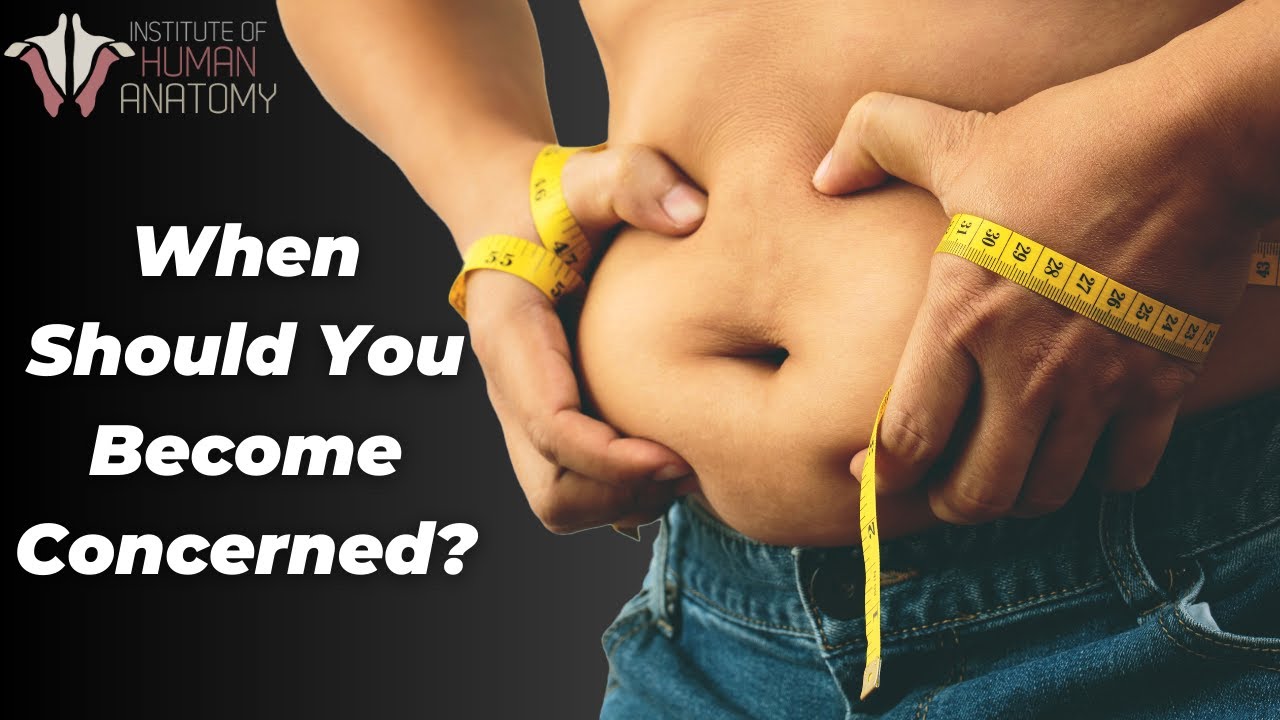
⚠️ The Scary Truth About Visceral Body Fat
1. 🧐 Why Fat is Important but Can Be Dangerous
Point: Fat is essential for life, but excessive amounts become harmful.
Principle: Fat provides insulation, energy storage, and protection for organs.
Inference: Understanding when fat becomes a health risk is crucial.
2. 🏗️ The Two Main Types of Fat: Subcutaneous & Visceral
Point: Subcutaneous fat is stored under the skin, while visceral fat surrounds internal organs.
Principle: Visceral fat is more dangerous as it affects metabolic and cardiovascular health.
Inference: Managing visceral fat is more critical than just reducing body weight.
3. ⚖️ How Body Fat is Measured
Point: Several methods exist to measure fat, including calipers, hydrostatic weighing, bioelectrical impedance, and DEXA scans.
Principle: Each method has its pros and cons, and accuracy varies.
Inference: Choosing the right measurement method depends on personal goals and accessibility.
4. 🛠️ The Pros & Cons of Fat Measurement Methods
Point: DEXA scans and MRIs are highly accurate but costly, while calipers and bioelectrical impedance are more accessible but less precise.
Principle: The best method depends on individual needs, whether for medical reasons or fitness tracking.
Inference: A combination of methods may provide the most comprehensive assessment.
5. 📊 Why BMI Still Matters
Point: Despite criticism, BMI is a widely used tool for assessing weight categories.
Principle: It does not differentiate between muscle mass and fat, but it’s still a useful general indicator.
Inference: While not perfect, tracking BMI over time can help identify trends in body composition.
6. 🔎 The Limits of BMI
Point: BMI does not distinguish between fat and muscle, leading to misclassification of bodybuilders or fit individuals.
Principle: It’s useful for the general population but should be paired with other measures for accuracy.
Inference: People should not rely solely on BMI but consider body fat percentage as well.
7. 🏥 The Health Risks of Visceral Fat
Point: Too much visceral fat is linked to heart disease, diabetes, and metabolic syndrome.
Principle: It accumulates around organs, disrupting their function and increasing health risks.
Inference: Reducing visceral fat should be a priority for long-term health.
8. 🩸 How Visceral Fat Impacts Internal Organs
Point: Excess visceral fat contributes to fatty liver disease, kidney dysfunction, and heart stress.
Principle: The body needs some fat for organ protection, but too much becomes dangerous.
Inference: Maintaining a healthy fat balance is essential for organ function.
9. 📉 Healthy Fat Ranges for Different Age Groups
Point: Recommended body fat percentages vary by age and gender.
Principle: Women naturally have higher fat percentages due to hormonal differences.
Inference: Staying within healthy fat ranges reduces disease risk and improves longevity.
10. 🔬 The Link Between Low Testosterone & Visceral Fat
Point: Men with low testosterone are more prone to visceral fat accumulation.
Principle: Testosterone plays a role in fat distribution and metabolism.
Inference: Addressing hormonal imbalances may help reduce visceral fat.
11. 📏 Waist-to-Hip Ratio: A Simple At-Home Test
Point: The waist-to-hip ratio is an easy way to estimate visceral fat levels.
Principle: Ratios above 0.9 in men and 0.8 in women indicate higher health risks.
Inference: Simple measurements can provide valuable insight into body composition.
💡 Final Thoughts & Knowledge Gaps
- 📌 Fat is necessary, but too much visceral fat is dangerous.
- 📌 Measuring body fat accurately requires multiple methods.
- 📌 BMI is useful but should be combined with body fat percentage assessments.
- 📌 Reducing visceral fat lowers the risk of serious health conditions.
- 📌 Waist-to-hip ratio is a simple, effective tool for estimating visceral fat.