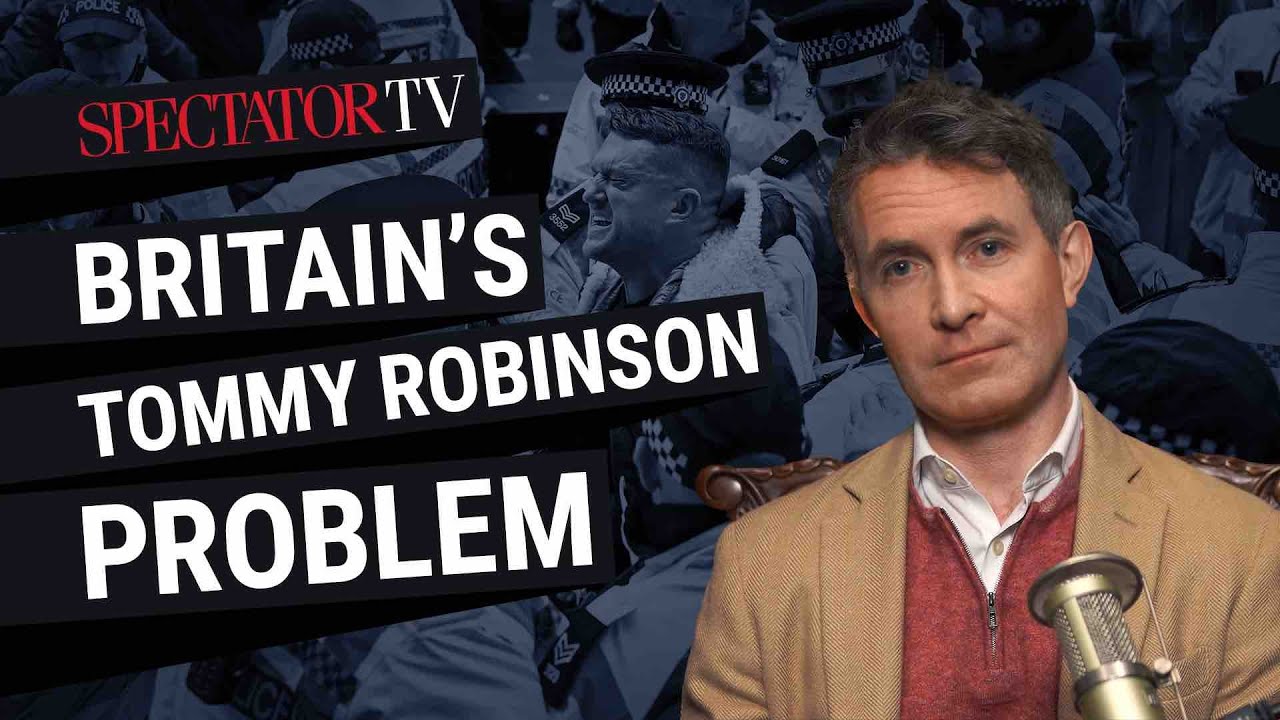
Britain’s Deepest Scandal: Douglas Murray on Grooming Gangs, Tommy Robinson & Free Speech
[🔥 The Cover-Up That Rocked a Nation 🔥]
🔗 Watch the full video here: YouTube Link
🔎 Understanding the Narrative
Douglas Murray delivers an explosive critique of Britain’s handling of grooming gangs, political cowardice, media silence, and the suppression of free speech. He examines:
- The long-standing cover-up of grooming gang crimes in British cities.
- How figures like Tommy Robinson were demonized instead of addressing the issue.
- The role of media, police, and political elites in failing to protect victims.
- The rise of censorship in Britain’s legal and political system.
- Why Americans are now driving the conversation about British failures.
This analysis breaks down Murray’s thought process, exposes biases, and provides a counter-narrative where necessary.
⚡ The Core Arguments: Thought Processes & Biases
1️⃣ Claim: “Britain’s Authorities Suppressed the Grooming Gang Crisis”
📍 Timestamp: 130s
Thought Process Breakdown
- Statement: “For 25 years, grooming gang crimes were ignored.”
- Leading Thought: Complaints were dismissed by police, councils, and media.
- Thought 2: Early reports labeled perpetrators as “Asian” to downplay their religious identity.
- Thought 3: Critics were called racists to deflect attention.
- Conclusion: Authorities covered up crimes to avoid accusations of Islamophobia.
- Implication: If taken to the extreme, this could justify anti-Muslim rhetoric or policies.
🛑 Prejudicial Device Used: Suppression & Framing—Facts were concealed, and public perception was manipulated.
✅ Counter-Rebuttal:
- Silence wasn’t due to Muslim protection, but bureaucratic failure. Many officials feared backlash, lawsuits, and political fallout.
- The issue isn’t Islam—it’s policing failures. Blaming a whole religion ignores that these were criminal gangs, not representatives of Islam.
- The media eventually exposed the truth. The Times and BBC’s investigative work led to convictions.
2️⃣ Claim: “Tommy Robinson Was Targeted to Distract from the Scandal”
📍 Timestamp: 347s
Thought Process Breakdown
- Statement: “The government and media focused on discrediting Tommy Robinson instead of fixing the crisis.”
- Leading Thought: He was labeled as “far-right” to dismiss his activism.
- Thought 2: This allowed authorities to avoid addressing the crimes.
- Thought 3: Free speech was curtailed, and Robinson was imprisoned.
- Conclusion: The British state sacrificed him to deflect blame.
- Implication: If taken to the extreme, this justifies portraying Robinson as a martyr.
🛑 Prejudicial Device Used: Ad Hominem Attack—Criticism of Robinson overshadowed the core issue.
✅ Counter-Rebuttal:
- Robinson’s activism wasn’t silenced—he has a large platform. His imprisonment was due to legal violations, not censorship.
- Grooming gangs were prosecuted despite Robinson’s methods. High-profile trials and convictions occurred independent of him.
- The public doesn’t need Robinson to discuss the issue. Mainstream media and government inquiries have acknowledged the crimes.
3️⃣ Claim: “British Elites Ignore White Working-Class Victims”
📍 Timestamp: 567s
Thought Process Breakdown
- Statement: “If white, working-class girls are raped, the system ignores them.”
- Leading Thought: Political correctness made discussing the issue “racist.”
- Thought 2: Council officials arrested parents protesting their daughters’ abuse.
- Thought 3: Anti-fascist groups branded working-class anger as “far-right.”
- Conclusion: The British elite abandoned the victims.
- Implication: If taken to the extreme, this fuels class resentment and distrust of authority.
🛑 Prejudicial Device Used: Class Division—Framing the elite vs. the working class as a conspiracy.
✅ Counter-Rebuttal:
- The problem wasn’t class—it was systemic police incompetence. Even affluent victims in Oxfordshire and other areas were ignored.
- Grooming gang victims weren’t only white. Sikh and Hindu communities also spoke out.
- The issue was mishandling, not racial bias. Authorities failed due to negligence, not deliberate class discrimination.
4️⃣ Claim: “Britain’s Free Speech is Dying”
📍 Timestamp: 754s
Thought Process Breakdown
- Statement: “People are jailed for speaking out, while criminals go free.”
- Leading Thought: Social media censorship limits discussion on grooming gangs.
- Thought 2: The government punishes “offensive speech” more harshly than actual crime.
- Thought 3: This creates an Orwellian society where only state-approved narratives are allowed.
- Conclusion: Britain has lost its commitment to free speech.
- Implication: If taken to the extreme, this justifies conspiracy theories about government oppression.
🛑 Prejudicial Device Used: Slippery Slope—Implying that speech restrictions will inevitably lead to totalitarianism.
✅ Counter-Rebuttal:
- Hate speech laws exist to protect minorities, not silence critics. Laws aim to prevent incitement to violence, not debate.
- British media covers controversial topics freely. The grooming gang scandal was exposed by major newspapers.
- Public backlash can hold authorities accountable. High-profile campaigns led to real legal consequences.
5️⃣ Claim: “Americans Are the Only Ones Calling Out British Corruption”
📍 Timestamp: 1253s
Thought Process Breakdown
- Statement: “Elon Musk, Trump supporters, and U.S. conservatives care more than the British public.”
- Leading Thought: The British media downplays scandals.
- Thought 2: UK politicians prioritize multiculturalism over justice.
- Thought 3: Only American voices like Musk’s bring real pressure.
- Conclusion: Britain needs outside intervention to fix its problems.
- Implication: If taken to the extreme, this implies British self-governance is ineffective.
🛑 Prejudicial Device Used: Foreign Savior Complex—Framing Americans as the only solution to British problems.
✅ Counter-Rebuttal:
- Britain has its own watchdogs. British journalists, MPs, and activists have driven the grooming gang investigations.
- American interest is recent, not foundational. The scandal was exposed long before Musk or Trump spoke about it.
- Britain doesn’t need external political influence. U.S. involvement is often driven by ideological, not humanitarian, concerns.
🔥 Conclusion: Exposing Failures, but Avoiding Division
Douglas Murray raises legitimate concerns about government failures, but his framing risks oversimplifying the issue and fueling division.
Key Takeaways
✅ Grooming gang cover-ups were real, but not racially motivated.
✅ Tommy Robinson’s activism wasn’t necessary for exposing crimes.
✅ White working-class victims weren’t ignored due to class, but due to systemic failures.
✅ Free speech is under pressure, but Britain isn’t Orwellian.
✅ Britain can solve its own problems—American intervention isn’t needed.
🔹 The real issue isn’t Islam, race, or class—it’s accountability and governance.
🔹 Authorities failed victims, but justice has begun to prevail.
🔹 The solution is balanced, fact-based discussion, not reactionary politics.
💡 Final Thought: Truth matters—but so does nuance. Britain must hold its leaders accountable without resorting to division and fear. 🚀